Improve Rankings: Website Speed for Home Service Businesses

Improve Rankings: Essential Website Speed Tips for Home Service Businesses
In the competitive landscape of home service businesses, website speed is a critical factor that can significantly influence both search engine rankings and lead generation. A fast-loading website not only enhances user experience but also plays a vital role in retaining visitors and converting them into customers. This article will delve into the importance of website speed, the tools available for measuring performance, and practical tips for optimizing load times. By understanding how website speed impacts SEO and customer engagement, home service providers can implement effective strategies to improve their online presence and drive more leads.
How Does Website Speed Impact SEO and Lead Generation for Contractors?
Website speed is a crucial element of SEO that directly affects how search engines rank sites. Faster websites tend to rank higher in search results, as search engines prioritize user experience. When a website loads quickly, it reduces bounce rates and increases the likelihood of visitors staying longer, which can lead to higher conversion rates. For contractors, this means that optimizing website speed can significantly enhance lead generation efforts. A well-optimized site not only attracts more visitors but also converts them into potential clients.
AMC Creative Marketing specializes in providing marketing solutions that generate leads for small to medium-sized businesses, including home service providers. By focusing on website speed optimization, contractors can leverage these services to improve their online visibility and attract more customers.
Why Faster Page Load Times Boost Search Rankings
Search engines like Google have made it clear that page load times are a key ranking factor. A one-second delay in loading can decrease conversions by up to 20%. This statistic highlights the importance of optimizing speed to improve visibility in search results. Faster load times enhance user experience, which is a critical component of SEO. As users increasingly expect quick access to information, ensuring that your website loads swiftly can lead to better rankings and increased traffic.
What Are the Consequences of Slow Websites on Customer Engagement?
Slow websites can have detrimental effects on customer engagement. High bounce rates are often a direct result of slow loading times, as users are likely to abandon a site that takes too long to display content. This negative user experience can also affect brand perception, leading potential customers to view a business as unprofessional or unreliable. Ultimately, slow websites can result in a significant loss of leads and sales, making it essential for home service businesses to prioritize speed optimization.
Plumbing Electrical HVAC Cabinets Roofing Remodel
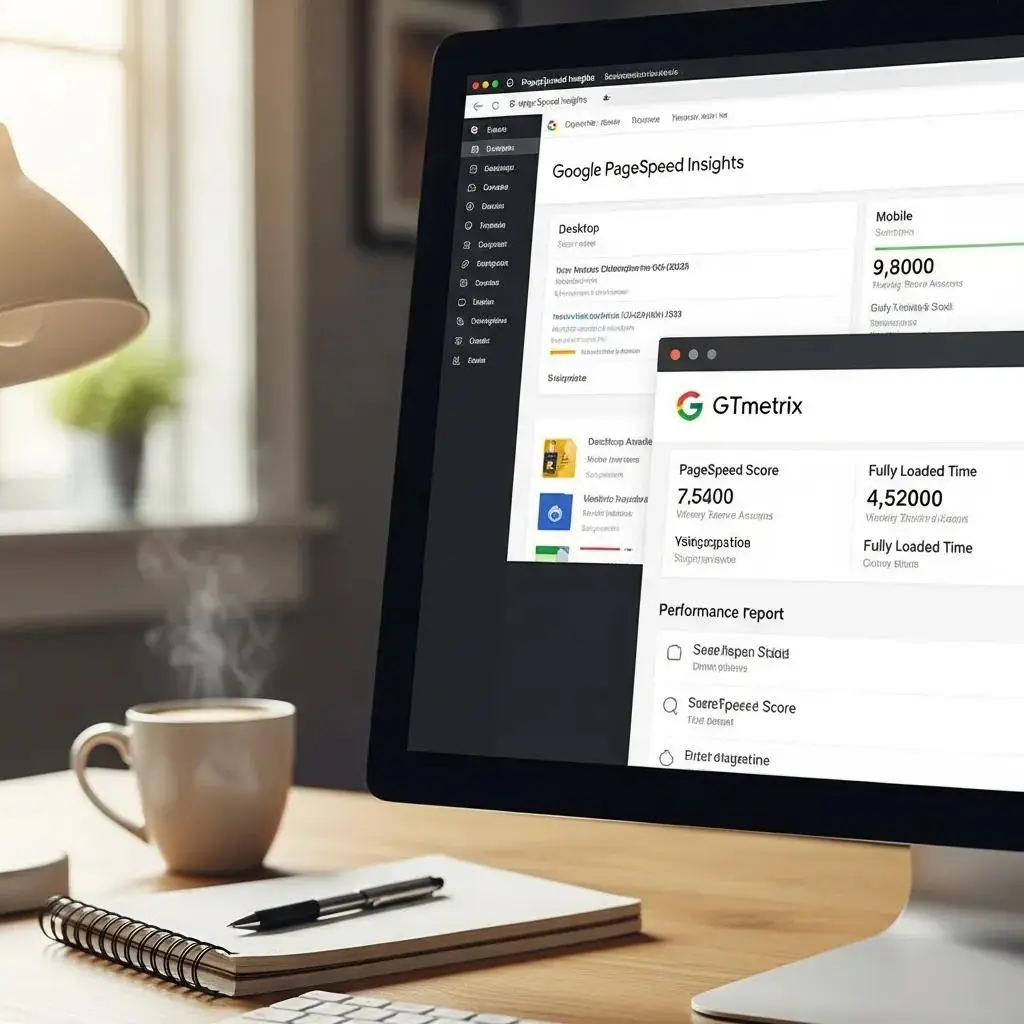
Measuring website performance is crucial for identifying areas that need improvement. Several tools can help home service businesses assess their website speed and overall performance:
- Google PageSpeed Insights: This tool provides detailed insights into how well a website performs on both mobile and desktop devices, offering suggestions for improvement.
- GTmetrix: GTmetrix analyzes the loading speed of a website and provides a comprehensive report, including recommendations for optimization.
- Pingdom: This tool helps monitor website speed and performance, allowing businesses to track changes over time and identify potential issues.
By utilizing these tools, contractors can gain valuable insights into their website’s performance and make informed decisions about necessary optimizations.
How to Use Google PageSpeed Insights for Contractor Websites
Google PageSpeed Insights is a powerful tool that provides actionable insights for improving website speed. To use it effectively, follow these steps:
- Enter your website URL: Input the URL of your website into the PageSpeed Insights tool.
- Analyze the results: Review the performance score and the detailed report, which includes suggestions for improvement.
- Implement recommendations: Focus on the areas highlighted in the report, such as optimizing images, leveraging browser caching, and minimizing JavaScript.
By regularly using Google PageSpeed Insights, contractors can ensure their websites remain optimized for speed and performance.
Which Other Speed Testing Tools Help Optimize Home Service Sites?
In addition to Google PageSpeed Insights, several other speed testing tools can assist home service businesses in optimizing their web design websites:
- WebPageTest: This tool allows users to test their website’s speed from different locations and browsers, providing a detailed analysis of loading times.
- Dareboost: Dareboost offers a comprehensive performance analysis, including suggestions for improving speed and user experience.
- Uptrends: This tool provides monitoring services that track website performance and alert users to any issues that may arise.
Utilizing a combination of these tools can help contractors maintain optimal website performance and enhance user experience.
Which Technical Tips Improve Page Load Time for Contractor Websites?
Improving page load time involves implementing several technical strategies. Here are some effective tips for contractors:
- Minimize image sizes: Large images can significantly slow down a website. Use image compression tools to reduce file sizes without sacrificing quality.
- Leverage browser caching: By enabling browser caching, returning visitors can load your site faster as their browsers store certain elements locally.
- Use a Content Delivery Network (CDN): A CDN distributes your website’s content across multiple servers worldwide, reducing load times for users regardless of their location.
These technical optimizations can lead to substantial improvements in website speed, enhancing user experience and boosting SEO rankings.
How Does Image Optimization Enhance Website Speed?
Image optimization is a critical aspect of website speed. By compressing images and using appropriate formats, contractors can significantly reduce loading times. Techniques such as lazy loading, where images are only loaded when they enter the viewport, can also enhance performance. Properly optimized images not only improve load times but also contribute to a better overall user experience, making it easier for visitors to navigate the site.
What Are the Benefits of Fast Website Hosting for Home Services?
Choosing a fast web hosting provider can have a profound impact on website speed. Fast hosting services ensure that websites load quickly, providing a seamless experience for users. Benefits of fast website hosting include:
- Improved load times: Faster servers reduce the time it takes for a website to load, enhancing user satisfaction.
- Better user experience: A reliable hosting service minimizes downtime and ensures that users can access the site whenever they need it.
- Enhanced SEO performance: Search engines favor websites that load quickly, which can lead to improved rankings.
Investing in quality hosting is essential for home service businesses looking to optimize their online presence.
How Can Mobile Optimization Enhance Website Performance for Home Service Businesses?
Mobile optimization is crucial in today’s digital landscape, where a significant portion of users access websites via mobile devices. Ensuring that a website is mobile-friendly can enhance performance and user experience. Key aspects of mobile optimization include:
- Responsive design: A responsive website adapts to different screen sizes, providing an optimal viewing experience on all devices.
- Scalable images: Images should be appropriately sized for mobile devices to prevent slow loading times.
- Clear navigation: Simplifying navigation for mobile users can improve usability and encourage longer visits.
By focusing on mobile optimization, home service businesses can cater to a broader audience and improve overall website performance.
Why Is Mobile Site Speed Critical for Local Contractors?
Mobile site speed is particularly important for local contractors, as many users search for services on their mobile devices. A fast-loading mobile site can lead to higher engagement and conversion rates. Factors such as user experience and local search rankings are directly influenced by mobile site speed. Ensuring that a mobile site loads quickly can help contractors attract and retain local customers, ultimately driving more business.
What Are Effective Mobile Optimization Techniques for Service Websites?

To optimize mobile websites effectively, contractors should consider the following techniques:
- Implement responsive design: Ensure that the website layout adjusts seamlessly to different screen sizes.
- Optimize images for mobile: Use smaller image sizes and formats that load quickly on mobile devices.
- Simplify navigation: Create a user-friendly navigation structure that allows mobile users to find information easily.
By applying these techniques, home service businesses can enhance their mobile performance and improve user satisfaction.
Ready to Boost Your Website Speed and Generate More Leads?
Contact AM Creative Marketing today to get expert help optimizing your home service website for speed, performance, and SEO. Get in Touch