

Boost Leads: CRO Strategies That Turn Home-Service Visitors into Customers
In a crowded home-service market, smart conversion rate optimization (CRO) is how you get more leads from the traffic you already have. This guide walks through proven, practical strategies to improve your website’s performance and convert visitors into booked jobs. You’ll find clear steps for CRO fundamentals, refining lead-capture points, building trust and local visibility, advanced tactics like testing and automation, mobile-first fixes, and the metrics to track progress. Combine these tactics with targeted paid campaigns and you’ll see measurable growth.
Key CRO Techniques for Home-Service Websites
Conversion rate optimization brings together several focused tactics designed to increase the share of visitors who take action—calling, requesting a quote, or submitting a booking form. The most effective CRO work improves site speed, simplifies the user journey, and sharpens how you capture leads. Applied together, these changes can lift lead volume noticeably.
How Website Performance Affects Lead Generation for Contractors
Site performance directly impacts whether visitors stay and convert. Slow pages drive up bounce rates—research shows a one-second delay in load time can cut conversions by about 7%. Metrics like time on site and pages per session correlate with conversion likelihood, so optimizing speed and core functionality is a straightforward way to improve lead capture.
User Experience Best Practices That Improve Conversions
Practical UX improvements make it easier for potential customers to find what they need and take action. Focus on:
- Simplified Navigation: Make information easy to find with clear menus and logical page flow to reduce friction and help users convert faster.
- Mobile Responsiveness: With many searches happening on phones, a mobile-friendly site is non-negotiable for capturing local leads.
- Visual Clarity: Use clean layouts and high-quality photos that reinforce credibility and keep visitors engaged.
These UX basics create a smoother path from discovery to contact for home-service businesses.
How Home-Service Businesses Should Optimize Lead Capture
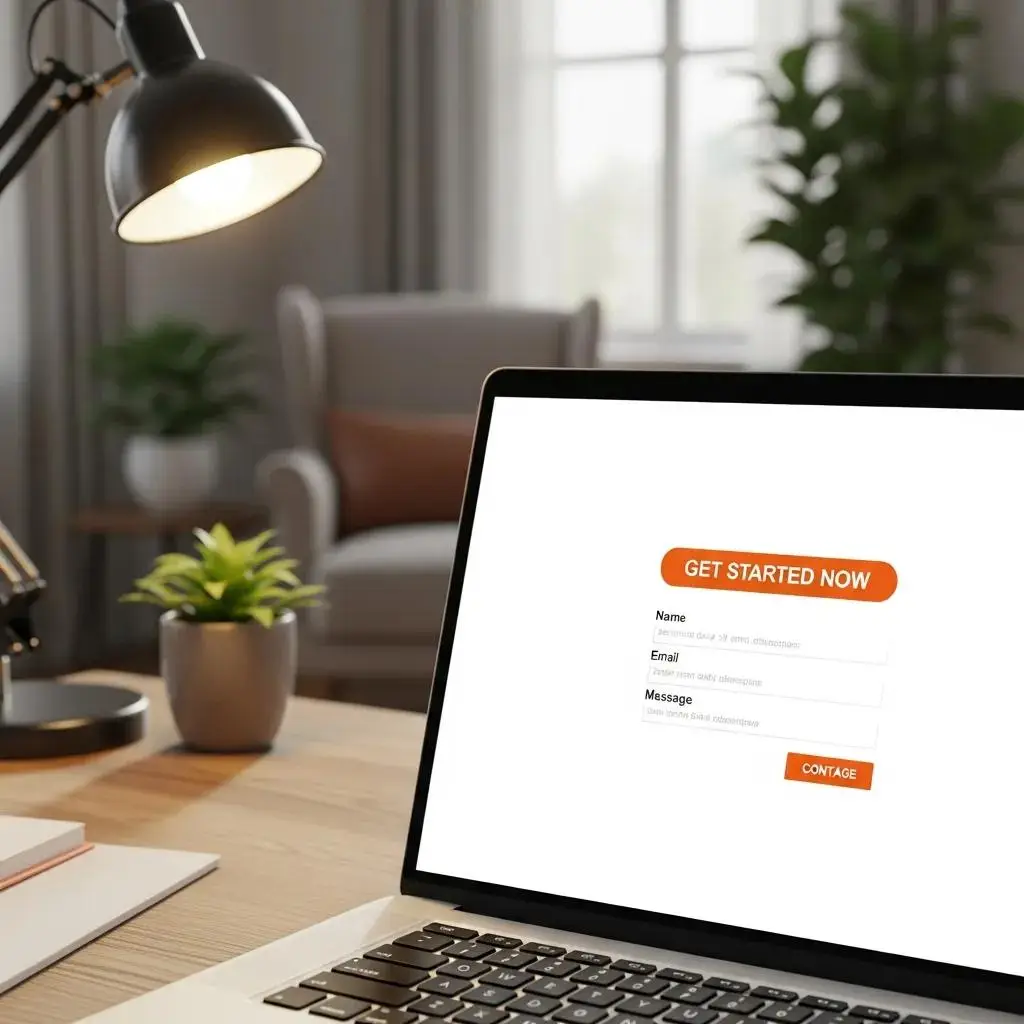
Turning visitors into prospects depends on landing pages, forms, and calls-to-action that remove doubt and make contacting you easy. Optimizing these elements reduces drop-off and increases qualified leads.
Best Practices for High-Converting Landing Pages
Top-performing landing pages share a few key traits:
- Clear Value: State what you do and why it matters—fast. Answer the visitor’s main question within seconds.
- Strong Visual Hierarchy: Layout the page so the most important details and actions stand out, guiding users toward the next step.
- Direct CTAs: Use action-oriented CTAs that tell visitors exactly what will happen when they click or call.
Follow these rules to raise landing-page conversions across service pages and ads.
Optimizing Contact Forms and CTAs for Plumbing and HVAC Leads
Simpler, smarter forms and strategically placed CTAs lead to more submissions. Key practices include:
- Field Optimization: Only ask for what you need. Shorter forms reduce friction and increase completions.
- Strategic Placement: Put forms and CTAs where visitors expect them—above the fold, in service pages, and on exit-intent prompts.
- Ongoing Tests: A/B test form length, button copy, and placement to find the highest-converting combinations.
Applied specifically to plumbing and HVAC pages, these changes often yield faster, higher-quality lead flow.
Why Trust and Credibility Matter for Contractor Conversions
People hire contractors they trust. Trust signals reduce hesitation and increase the chance a visitor will pick up the phone or submit a request. Make credibility visible and easy to evaluate.
How Customer Reviews and Social Proof Drive Leads
Reviews and social proof are among the strongest trust signals. Positive testimonials and ratings help prospects feel confident about choosing your service—84% of people say they trust online reviews as much as personal recommendations. Show recent reviews, highlight standout stories, and surface ratings prominently to nudge undecided visitors toward contact.
Google Business Profile Optimization for Local Conversions
A complete, active Google Business Profile improves local visibility and makes it easier for nearby customers to find and contact you. Focus on:
- Complete Information: Fill out hours, services, contact details, and photos so searchers get answers without extra clicks.
- Customer Engagement: Respond to reviews and questions to demonstrate responsiveness and build local trust.
- Local Keywords: Use relevant terms in your business description to help the profile appear for local searches.
A well-managed profile directly increases calls and direction requests from potential clients in your service area.
Advanced CRO Tactics to Maximize Lead Generation
Once fundamentals are in place, advanced tactics like structured testing, personalization, and automation push conversion rates further. These strategies help you scale what works and reduce wasted traffic.
How A/B Testing and Personalization Boost Conversions
A/B testing reveals which headlines, images, layouts, and CTAs perform best. Personalization then tailors messaging based on behavior or source—showing the right content to the right visitor increases relevance and conversions. Together, testing and personalization identify and apply the highest-impact changes for your audience.
Benefits of AI-Powered Lead Response and Automation
AI tools can accelerate response times and keep leads engaged without manual effort. Benefits include:
- Faster Responses: Instant replies to inquiries mean fewer missed opportunities.
- Automated Nurturing: Follow-up sequences keep prospects warm until they’re ready to book.
- Proven Results: Businesses that pair automation with human follow-up often see measurable lifts in conversion rates.
Used correctly, AI and automation reduce friction and increase the speed of lead conversion.
Mobile Optimization and Site Speed: Their Effect on Conversions
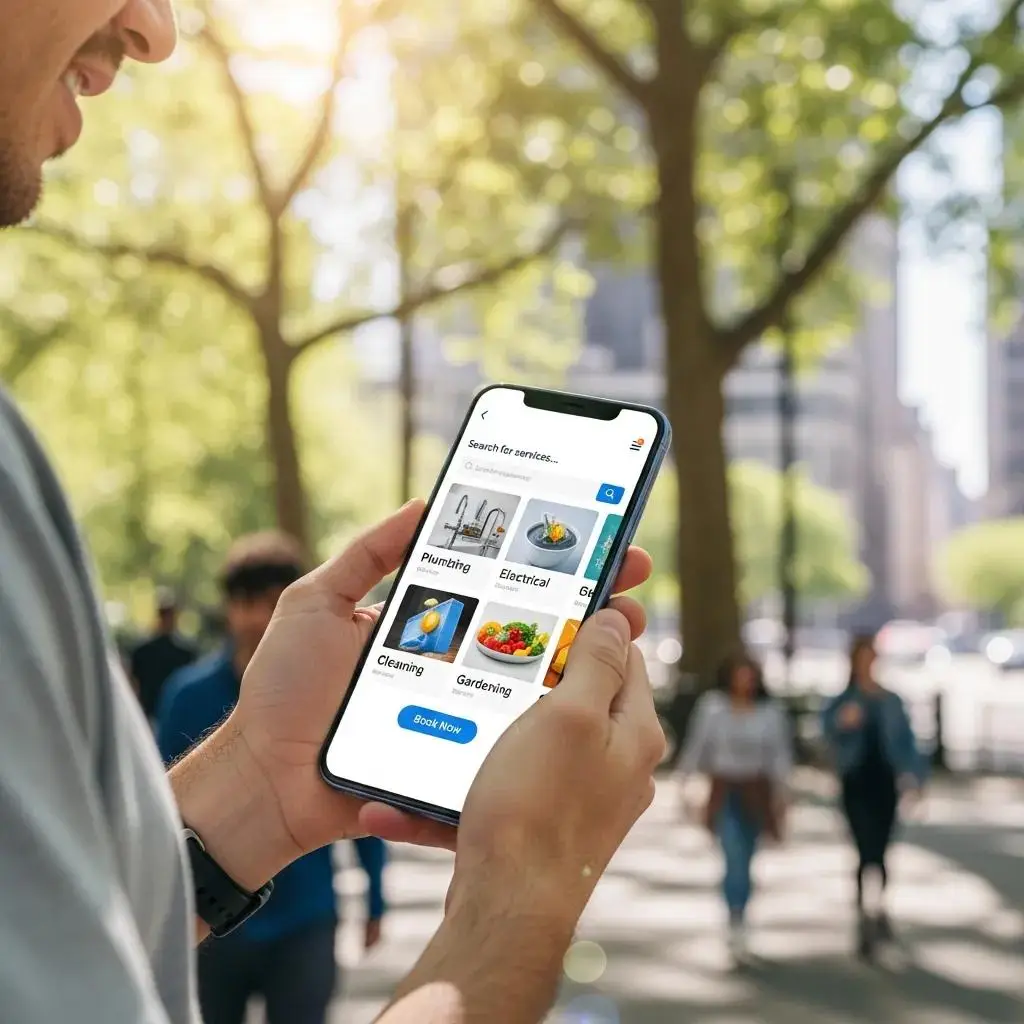
Mobile experience and load times are critical—many customers search and contact contractors from their phones. A fast, well-designed mobile site directly improves conversion rates.
Why Mobile-First Design Matters for Contractor Leads
Mobile-first design means designing with phones as the priority: clear tap targets, minimal typing, and fast, readable pages. When mobile experience is seamless, fewer visitors drop off and more convert.
Website Speed Benchmarks to Target
Aim for a page load under three seconds whenever possible—sites that load within this window see notably better engagement and conversions. Regular speed checks and simple optimizations (image compression, caching, CDN) deliver noticeable ROI in lead volume.
How to Measure and Monitor CRO Success
Tracking the right metrics lets you know what’s working and where to focus effort. Use a combination of conversion metrics and quality indicators to evaluate results.
KPI’s for Conversion and Lead Quality
Track these core indicators:
- Conversion Rate: The percentage of visitors who complete a desired action (form submit, call, booking).
- Lead Quality: How many leads turn into booked jobs or qualified estimates—this shows whether your traffic matches your goals.
- Tracking Methods: Set up analytics and events to capture these metrics so you can iterate on what moves the needle.
Monitoring these KPIs gives a clear view of CRO progress and business impact.
Tools and Strategies for Ongoing CRO and SERP Visibility
Use tools that support measurement and continuous improvement:
- Analytics Platforms: Google Analytics and similar tools reveal visitor behavior and conversion flow.
- A/B Testing Tools: Platforms that make experiments easy help you scale wins faster.
- SEO Monitoring: Track rankings and on-site optimization with SEO tools to keep search visibility healthy.
Combining these tools with regular testing creates a sustainable process for growth.
| Strategy | Mechanism | Benefit | Impact Level |
|---|---|---|---|
| Website Performance Optimization | Reduces load times | Increases user engagement | High |
| User Experience Enhancements | Improves navigation and design | Boosts conversion rates | High |
| Lead Capture Optimization | Streamlines forms and CTAs | Increases lead generation | Medium |
The table shows how different CRO efforts contribute to overall results—pairing performance, UX, and lead-capture work gives the biggest wins.
With a focused CRO plan—faster pages, clearer UX, visible trust signals, and ongoing testing—home-service businesses can turn more visitors into paying customers and grow sustainably in competitive markets.
Frequently Asked Questions
What common mistakes should I avoid in CRO for home-service sites?
Typical CRO missteps are ignoring mobile users, making forms too long, and skipping tests. Mobile issues alone can lose a large share of prospects. Long or confusing forms increase abandonment. And if you don’t A/B test headlines, CTAs, and layouts, you’ll miss simple changes that often produce big gains.
How often should home-service businesses review CRO strategy?
Review CRO at least quarterly and after any major site change or campaign launch. Regular check-ins let you respond to shifting user behavior, seasonal demand, or new competitors. Frequent small updates based on data beat infrequent big overhauls.
How important is content quality for CRO?
Content quality matters a lot. Clear, helpful copy answers visitor questions, builds trust, and drives actions. Content that speaks directly to common pain points and includes local or service-specific keywords also helps attract the right traffic and convert it.
How can social media help improve conversion rates?
Social channels build awareness, showcase work, and surface testimonials that drive trust. Use social to share before-and-after projects, client reviews, and local promotions—then funnel engaged viewers to optimized landing pages to convert them into leads.
What impact does website design have on trust and conversions?
Design is a credibility signal. A clean, professional site with clear navigation and obvious CTAs looks trustworthy and reduces friction. Poor design raises doubts and increases bounce rates, so invest in an experience that reflects the quality of your service.
How can analytics improve CRO efforts?
Analytics reveal where users drop off, which pages convert, and which traffic sources drive the best leads. Track bounce rates, session duration, and conversion funnels to prioritize tests and measure improvements—data-driven decisions lead to faster, more reliable CRO wins.
Home-Service CRO Strategies to Boost Contractor Leads
Conversion rate optimization is a high-leverage way to grow leads without chasing ever more traffic. Focus first on speed, mobile UX, clear lead-capture flows, and trust signals. Then layer in testing, personalization, and automation to scale gains. Start with the basics and use data to guide continuous improvements—your website will become a more reliable source of booked jobs and steady growth.