
Mobile-First Design for Home Service Websites
Mobile-First Design for Home Service Websites
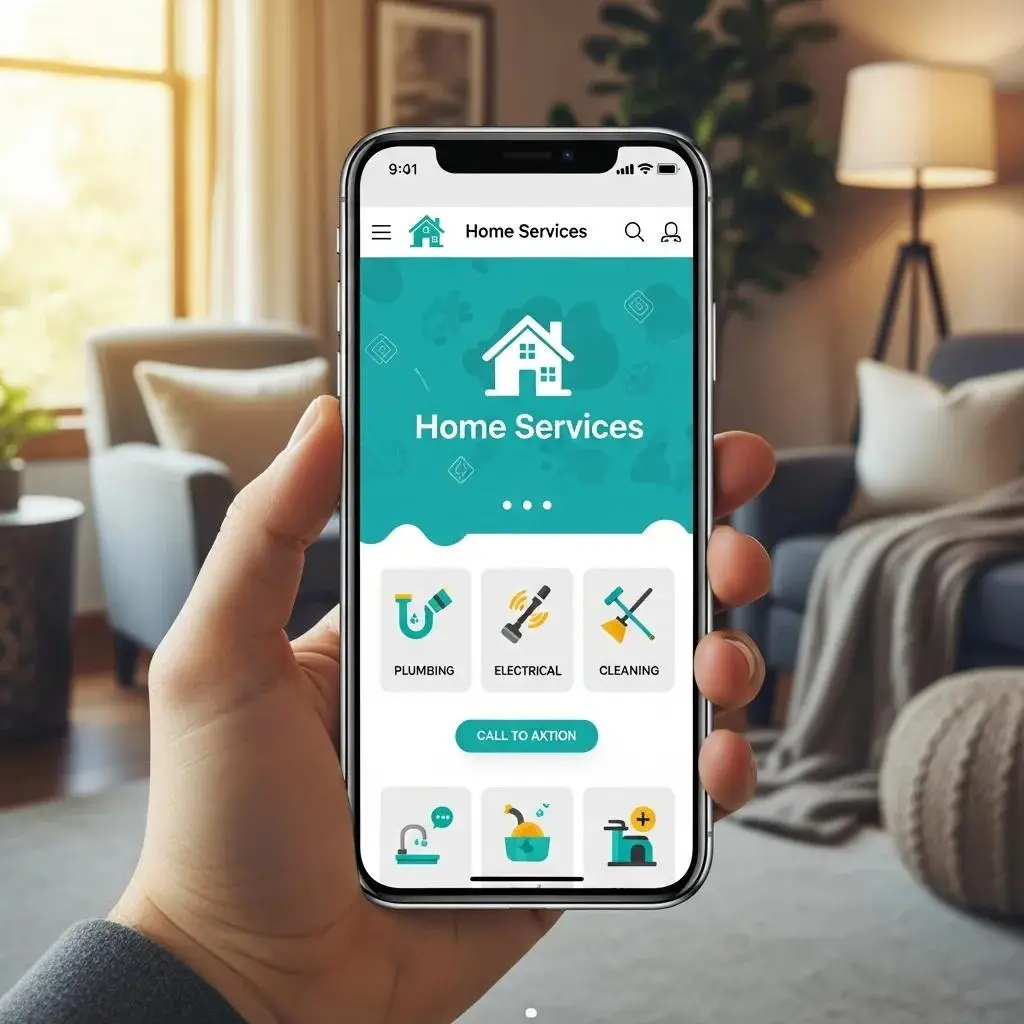
In today’s mobile-centric world, home service websites must prioritize mobile-first design to enhance user experience and boost lead generation. Mobile-first design means creating websites optimized for mobile devices first, then scaling up for larger screens. This approach improves usability and aligns with the growing trend of mobile internet usage. For service businesses aiming to attract potential customers, understanding mobile-first design principles is essential. This article covers best practices for usability, strategies to optimize lead generation, and why mobile-first design is vital for home service websites.
Best Practices for Improving Usability
To build a mobile-friendly contractor website, implement these key usability practices:
- Responsive Design: Ensure your site adapts smoothly to all screen sizes to maintain engagement.
- Fast Loading Speeds: Optimize images and minimize code to reduce load times and prevent user drop-off.
- Simplified Navigation: Use clear menus and easy-to-access links to help users find information quickly.
- Visual Clarity: Maintain a clean layout with high-quality images to keep focus on essential content.
- Clear Contact Information: Display contact details prominently to facilitate easy communication.
Applying these practices enhances usability, making your website more appealing to visitors.
Effective Strategies for Optimizing Lead Generation
Optimizing lead generation on mobile-first websites involves strategies tailored to mobile users:
- High-Converting Landing Pages: Design mobile-specific landing pages with clear calls-to-action and minimal distractions.
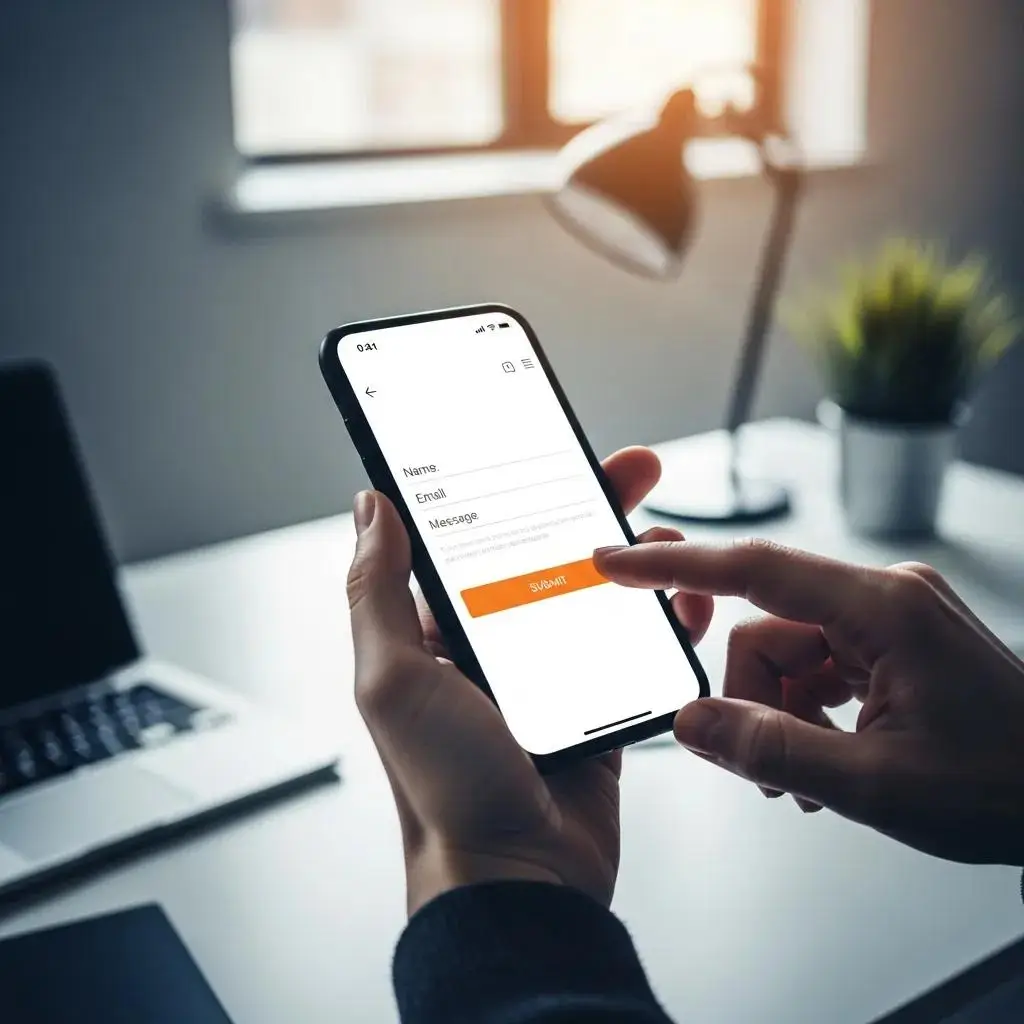
- Optimized Contact Forms: Simplify forms with fewer fields to increase submission rates on small screens.
- Local SEO Optimization: Use local SEO tactics to improve visibility in nearby search results.
- Engaging Content Marketing: Provide valuable, shareable content like videos and infographics that resonate with mobile users.
- Leverage Social Media: Use social platforms to reach and engage mobile audiences effectively.
- Targeted Mobile Advertising: Tailor ads to specific demographics to reach the right audience at the right time.
Focusing on these strategies helps convert more visitors into customers.
AMC Creative Marketing specializes in digital marketing solutions focused on lead generation for service businesses, including website design, digital advertising, and marketing strategy development.
Why is Mobile-First Design Essential for Home Service Websites?
Mobile-first design is critical because more users access the internet via smartphones. Businesses must adapt to provide seamless mobile experiences to stay competitive.
- User Experience: Mobile-first design ensures smooth navigation and interaction, encouraging visitors to stay and convert.
- Search Engine Optimization(SEO): Google favors mobile-friendly sites, improving search rankings and organic traffic.
- Lead Generation Effectiveness: Mobile-optimized sites typically see higher conversion rates due to ease of use on mobile devices.
Understanding these benefits helps home service businesses meet the expectations of mobile users.
How Mobile Optimization Improves User Experience
Mobile optimization tailors websites to mobile users’ needs, enhancing interaction through:
- Responsive Design: Adjusts layout for consistent experience across devices.
- Fast Loading Speeds: Reduces wait times to keep users engaged.
- Easy Access to Contact Information: Makes reaching out simple and quick.
- Clear Navigation: Helps users find information without hassle.
- Visual Clarity: Clean layouts improve content readability.
- Calls-to-Action (CTAs): Strategically placed CTAs guide users toward desired actions.
- User Testing: Regular feedback ensures the site meets user expectations.
These elements collectively improve the mobile user experience for service businesses.
Mobile Trends Driving Home Service Contractor Website Success
Several trends emphasize why contractors must adopt mobile-first design:
- Growing Mobile Usage: Increasing mobile internet access demands mobile-optimized sites.
- User Expectations: Consumers expect seamless mobile experiences.
- SEO Advantages: Search engines prioritize mobile-friendly websites.
- Emerging Technologies: 5G and other advances enable richer mobile experiences.
- Higher Conversion Rates: Mobile-optimized sites tend to convert better.
These trends make mobile-first design essential for staying competitive.
Best Practices for Responsive UX in Contractor Website Design
To create a responsive user experience, implement these best practices:
- Flexible Grid Layout: Allows content to adapt smoothly to different screens.
- Scalable Images: Ensure images resize without quality loss.
- Visual Clarity: Keep layouts clean and focused.
- Simplified Navigation: Make menus easy to use on all devices.
- Mobile-Friendly Menus: Design for touch interaction.
- Direct Calls-to-Action (CTAs): Guide users clearly toward actions.
- Fast Loading Speeds: Optimize for quick page loads.
- Easy Access to Contact Information: Display contact details prominently.
- Local SEO Integration: Incorporate local SEO for better visibility.
- User Testing: Continuously test and improve the site.
- Trust Signals: Include reviews and certifications to build credibility.
- Analytics Monitoring: Use data to refine user experience.
Following these practices ensures contractor websites meet mobile users’ needs effectively.
UX Strategies to Enhance Usability for Home Service Websites
Effective UX strategies include:
- Simplified Navigation: Clear menus reduce user frustration.
- Mobile Responsiveness: Ensure consistent experience across devices.
- Visual Clarity: Clean design aids information absorption.
- Fast Loading Speeds: Keeps users engaged.
- Clear Calls-to-Action (CTAs): Encourage desired user actions.
- Optimized Contact Forms: Simplify forms for mobile users.
- User Feedback Mechanisms: Collect insights for improvement.
- Trust Signals: Build credibility with reviews and certifications.
- Content Marketing: Engage users with valuable content.
- Regular Updates: Keep content fresh and relevant.
These strategies improve usability and user satisfaction.
Responsive Design Techniques to Boost Mobile Site Performance
Key responsive design techniques include:
- Flexible Grid Layout: Adapts content to various screen sizes.
- Scalable Images: Maintain image quality across devices.
- User-Friendly Navigation: Simplify menus for easy use.
- Fast Loading Times: Optimize speed to reduce bounce rates.
- Clear Calls-to-Action (CTAs): Guide users effectively.
- Engaging Visuals: Use high-quality images to capture attention.
- Regular Testing and Feedback: Continuously improve based on user input.
Implementing these techniques enhances mobile site performance and user satisfaction.
How Mobile Optimization Drives Lead Generation for Service Businesses
Mobile optimization boosts lead generation by:
- Responsive Design: Ensures seamless experience on all devices.
- Fast Loading Speeds: Keeps users engaged.
- Clear Navigation: Facilitates easy information access.
- Prominent Contact Information: Makes reaching out simple.
- Engaging Visuals: Captures user attention.
- Effective CTAs: Encourages conversions.
Focusing on these aspects helps convert visitors into leads effectively.
Effective Lead Generation Strategies on Mobile-First Websites
To capture potential customers, use these strategies:
- Responsive Design: Optimize for mobile devices.
- Fast Loading Speeds: Minimize bounce rates.
- Clear Calls-to-Action (CTAs): Guide users toward actions.
- Simplified Navigation: Reduce user frustration.
- Lead Capture Forms: Simplify for mobile users.
- Local SEO: Improve local search visibility.
- Trust Signals: Build credibility with reviews.
- Analytics and Tracking: Use data for improvements.
- AI and Automation: Streamline lead generation processes.
These strategies help mobile-first websites convert more leads.
Impact of Site Speed and Mobile Usability on Conversion Rates
Site speed and mobile usability are crucial for conversions:
- Site Speed: Fast-loading sites retain users and reduce abandonment.
- Mobile Usability: Easy navigation and quick access to information encourage conversions.
- Actionable Strategies: Optimize images, minimize code, and simplify navigation to improve performance.
Prioritizing these factors enhances user experience and boosts conversion rates.
Integrating Local SEO with Mobile-First Design for Home Services
Combining local SEO with mobile-first design improves visibility and attracts local customers:
- Optimizing Content: Create localized content that resonates with your audience.
- Enhancing User Experience: Mobile-first design ensures seamless interaction.
- Improving Search Visibility: Local SEO tactics increase presence in local search results.
Focusing on these areas strengthens your online presence effectively.
Local SEO Techniques to Improve Mobile Visibility for Contractors
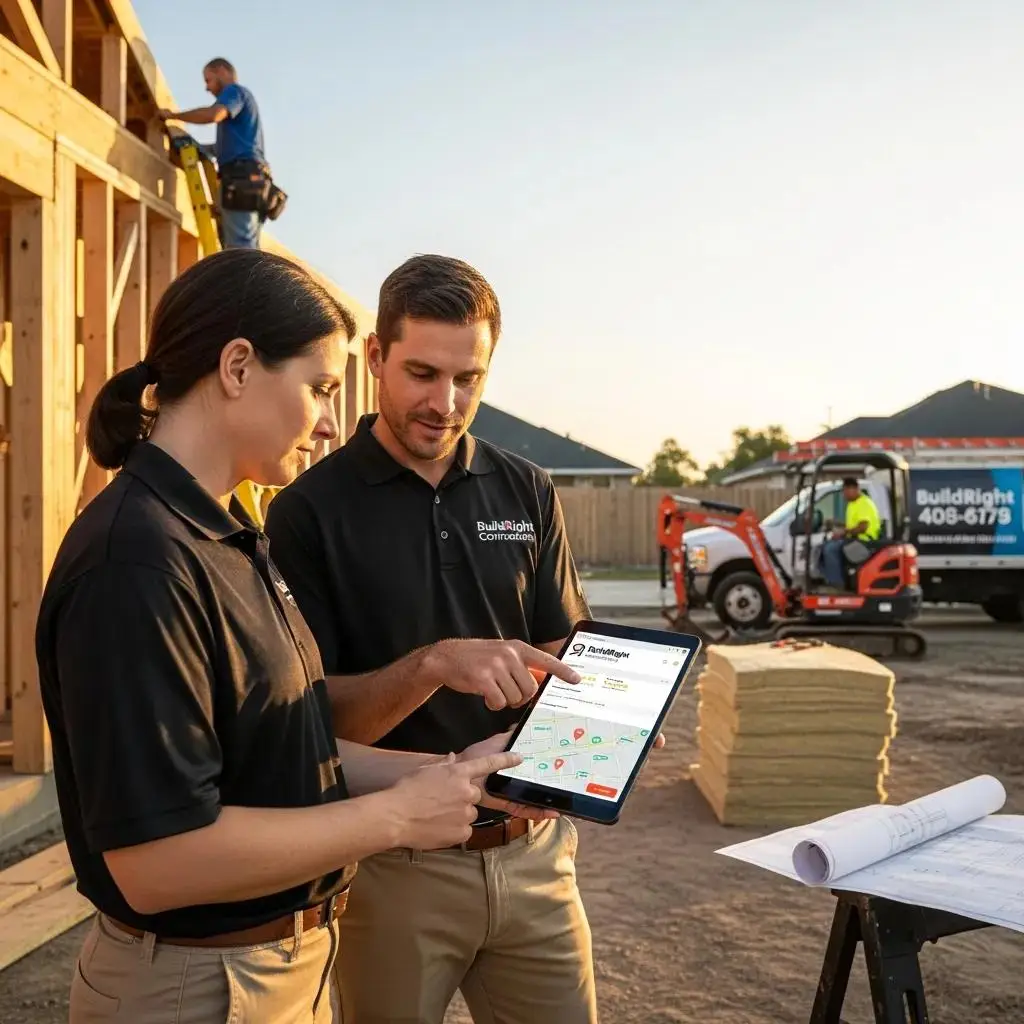
Key local SEO techniques include:
- Optimizing Google Business Profile (GBP): Keep your profile complete and accurate.
- Localized Keywords: Use location-specific keywords in your content.
- Consistent Local Citations: Maintain uniform listings across directories.
- Customer Reviews: Encourage reviews to boost reputation and SEO.
- Localized Content Creation: Address local topics to engage your audience.
- Mobile Optimization: Ensure your site is mobile-friendly.
These techniques enhance mobile visibility and attract local customers.
How Mobile Optimization Enhances Local Search Rankings
Mobile optimization improves local search rankings by:
- Responsive Design: Provides seamless user experience.
- Fast Loading Speeds: Keeps users engaged.
- Local Keyword Targeting: Improves local search visibility.
- Google Business Profile Optimization: Enhances local presence.
- Encouraging Customer Reviews: Boosts reputation and rankings.
- Local Citation Building: Strengthens search credibility.
Focusing on these factors helps businesses attract more local customers.
Contact AM Creative Marketing today to schedule a free strategy call