
Back Pain Relief in Salisbury, MA | Newman Chiropractic: Non-Surgical Solutions for Chronic Back Pain
By Jeff Newman, Newman Chiropractic
Chronic back pain affects millions of individuals, often leading to a diminished quality of life and increased reliance on medication or invasive procedures. This article explores effective non-surgical solutions for chronic back pain, focusing on innovative therapies available in Salisbury, MA. Readers will learn about the causes of chronic back pain, the mechanisms behind non-invasive treatments, and the specific therapies offered by Newman Chiropractic. By understanding these options, individuals can make informed decisions about their pain management strategies. The article will cover various therapies, including spinal decompression, laser therapy, and focused shockwave therapy, as well as the complementary role of chiropractic care.
What Causes Chronic Back Pain and How Can Non-Surgical Treatments Help?
Chronic back pain can stem from various underlying issues, including muscle strain, herniated discs, and degenerative conditions. Understanding these causes is crucial for effective treatment. Non-surgical treatments aim to alleviate pain and restore function without the need for invasive procedures. These therapies can significantly improve the quality of life for those suffering from chronic back pain.
Understanding Chronic Back Pain: Symptoms and Common Causes
Chronic back pain is characterized by persistent discomfort that lasts for more than three months. Common symptoms include:
- Dull or aching pain: Often felt in the lower back.
- Sharp or shooting pain: May radiate down the legs.
- Stiffness: Reduced flexibility and range of motion.
Common causes of chronic back pain include:
- Herniated discs: Discs that bulge or rupture can press on nerves.
- Muscle or ligament strain: Overexertion or improper lifting can lead to injuries.
- Arthritis: Conditions like osteoarthritis can affect the spine.
These issues can significantly impact daily activities, making effective treatment essential.
How Non-Invasive Therapies Address Back Pain Without Surgery
Non-invasive therapies provide a holistic approach to managing chronic back pain. These treatments include:
- Physical therapy: Tailored exercises to strengthen muscles and improve flexibility.
- Chiropractic adjustments: Manual manipulation to align the spine and relieve pressure.
- Acupuncture: Insertion of needles to stimulate specific points and promote healing.
These therapies work by addressing the root causes of pain, enhancing mobility, and reducing inflammation, leading to improved patient outcomes.
Research underscores the importance of evaluating various treatment approaches, including chiropractic care, for managing conditions like low back pain effectively.
Effectiveness of Chiropractic Care for Low Back Pain
1. Low back pain (LBP) is one of the leading causes of disability worldwide and among the most common reasons for seeking primary sector care. Chiropractors, physical therapists and general practitioners are among those providers that treat LBP patients, but there is only limited evidence regarding the effectiveness and economic evaluation of care offered by these provider groups.
Effectiveness and economic evaluation of chiropractic care for the treatment of low back pain: a systematic review of pragmatic studies, MJ Stochkendahl, 2016
How Does Spinal Decompression Therapy Provide Relief in Salisbury?

Spinal decompression therapy is a non-surgical treatment designed to relieve pressure on the spine and promote healing. This therapy is particularly effective for individuals suffering from herniated discs and sciatica. For those seeking specialized care in Salisbury, understanding the benefits of Spinal Decompression Therapy is crucial.
Mechanism of Spinal Decompression Therapy for Herniated Discs
Spinal decompression therapy involves the use of a specialized table that gently stretches the spine. This process creates negative pressure within the discs, allowing herniated material to retract and relieve nerve compression. As a result, patients often experience reduced pain and improved mobility.
Further studies highlight how non-surgical spinal decompression specifically targets lumbar radiculopathy, offering a novel approach to alleviate pain and improve function.
Non-Surgical Spinal Decompression for Lumbar Radiculopathy
1. Lumbar radiculopathy is an extensively common complaint reported by patients of low back pain (LBP), resulting in several impairments. A comparatively novel technique, non-surgical spinal decompression (NSD), is introduced, which uses a sensitive computerized feedback mechanism and decompresses the spinal nerve roots through segmental distraction. The objective of this study was to determine the effects of NSD therapy in addition to routine physical therapy on pain, lumbar range of motion (ROM), functional disability, back muscle endurance (BME), and quality of life (QOL) in patients with lumbar radiculopathy.
Effects of non-surgical decompression therapy in addition to routine physical therapy on pain, range of motion, endurance, functional disability and quality of life …, F Amjad, 2022
Expected Benefits and Success Rates of Spinal Decompression
Patients undergoing spinal decompression therapy can expect several benefits, including:
- Pain relief: Many report significant reductions in pain levels.
- Improved function: Enhanced mobility and flexibility.
- High success rates: Studies indicate that many patients experience relief from symptoms.
These outcomes make spinal decompression a valuable option for those seeking non-surgical back pain relief.
What Are the Benefits of Laser Therapy for Chronic Back Pain?
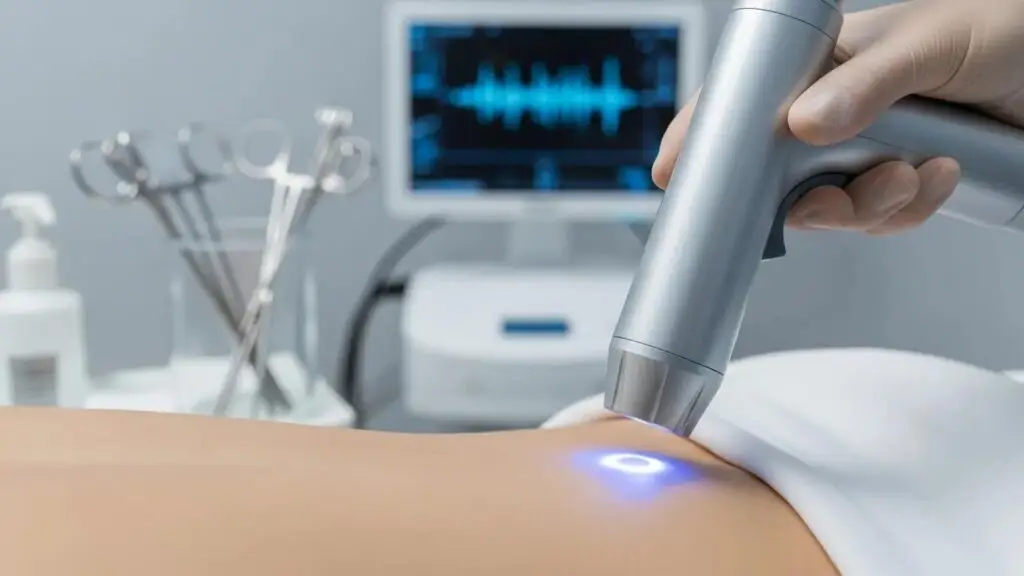
Laser therapy is an innovative treatment that utilizes focused light to promote healing and reduce inflammation. This non-invasive approach is gaining popularity for its effectiveness in managing chronic back pain. Laser therapy offers a targeted solution for persistent discomfort.
How Laser Therapy Reduces Inflammation and Promotes Healing
Laser therapy works by delivering concentrated light energy to the affected area, stimulating cellular activity and promoting tissue repair. This process helps to:
- Reduce inflammation: Alleviating pain and swelling.
- Enhance circulation: Improving blood flow to the injured area.
- Accelerate healing: Supporting the body’s natural recovery processes.
Patients often report a decrease in pain and an increase in mobility following treatment.
Clinical Evidence Supporting Laser Therapy Effectiveness
Research supports the effectiveness of laser therapy in treating chronic back pain. Clinical studies have shown that patients experience:
- Significant pain reduction: Many report a decrease in pain levels after just a few sessions.
- Improved function: Enhanced ability to perform daily activities.
- Minimal side effects: Laser therapy is generally well-tolerated with few adverse effects.
These findings highlight the potential of laser therapy as a safe and effective treatment option.
How Does Focused Shockwave Therapy Aid Back Pain Recovery?
Focused shockwave therapy is another non-invasive treatment that uses acoustic waves to stimulate healing in damaged tissues. This therapy is particularly beneficial for chronic pain conditions. The Focused Shockwave Therapy can address deep tissue issues.
Stimulating Tissue Repair with Focused Shockwave Therapy
Focused shockwave therapy works by delivering high-energy sound waves to the affected area. This process stimulates the body’s natural healing response, promoting tissue repair and regeneration. Key benefits include:
- Pain relief: Reducing discomfort associated with chronic conditions.
- Increased blood flow: Enhancing circulation to support healing.
- Tissue regeneration: Encouraging the growth of new, healthy tissue.
Patients often experience significant improvements in pain and function following treatment.
Patient Outcomes and Treatment Expectations for Shockwave Therapy
Patients undergoing focused shockwave therapy can expect:
- Rapid pain relief: Many report improvements within a few sessions.
- Enhanced mobility: Increased range of motion and flexibility.
- Long-lasting results: Sustained relief from chronic pain conditions.
These positive outcomes make focused shockwave therapy a promising option for back pain recovery.
What Chiropractic Care Techniques Complement Non-Surgical Back Pain Treatments?
Chiropractic care plays a crucial role in managing chronic back pain, often complementing other non-surgical treatments. Chiropractors utilize various techniques to enhance patient outcomes. You can learn more about the team and their approach by visiting the About Newman Chiropractic page.
Personalized Chiropractic Adjustments for Chronic Back Pain Relief
Chiropractic adjustments involve manual manipulation of the spine to restore proper alignment. This technique can help alleviate pain by:
- Reducing nerve pressure: Alleviating discomfort caused by misalignments.
- Improving mobility: Enhancing flexibility and range of motion.
- Promoting overall wellness: Supporting the body’s natural healing processes.
Patients often find that regular chiropractic care significantly improves their pain management strategies.
Posture Correction and Pain Management Strategies
Posture correction is another essential aspect of chiropractic care. Chiropractors educate patients on maintaining proper posture to prevent future injuries and manage pain effectively. Key strategies include:
- Ergonomic assessments: Evaluating workspaces to reduce strain.
- Exercise recommendations: Tailored exercises to strengthen core muscles.
- Lifestyle modifications: Encouraging healthy habits to support spinal health.
These strategies empower patients to take an active role in their pain management.
What Do Patients Say About Newman Chiropractic’s Non-Surgical Solutions?
Patient testimonials provide valuable insights into the effectiveness of non-surgical solutions offered by Newman Chiropractic. Many individuals have experienced significant improvements in their quality of life. The clinic offers a range of services designed for comprehensive back pain management.
Success Stories Highlighting Pain Relief and Mobility Improvement
Numerous patients have shared their success stories, highlighting the positive impact of non-surgical treatments. Common themes include:
- Significant pain reduction: Many report a dramatic decrease in discomfort.
- Improved mobility: Enhanced ability to perform daily activities.
- Increased satisfaction: High levels of overall satisfaction with treatment outcomes.
These testimonials underscore the effectiveness of Newman Chiropractic’s approach to pain management.
How Patient Testimonials Support Treatment Effectiveness
Patient testimonials often reflect the success of various treatment modalities. By sharing their experiences, patients contribute to a growing body of evidence supporting the effectiveness of non-surgical solutions. Key insights include:
- Diverse treatment options: Patients appreciate the range of therapies available.
- Personalized care: Many highlight the importance of tailored treatment plans.
- Positive outcomes: Consistent reports of improved quality of life reinforce the value of non-surgical approaches.
These testimonials serve as a testament to the effectiveness of Newman Chiropractic’s non-surgical solutions for chronic back pain.