
By Jon Almas, AM Creative LLC
Most HVAC owners do not have a marketing problem. They have a booked-jobs problem. The phone rings, but not enough. The website looks fine, but it sits there. Money goes out for ads, and nobody can say what came back.
This guide lays out the system we use to fix that. How to show up when someone nearby searches for HVAC help, how to turn that visibility into calls, and how to know which channel actually paid for itself. No theory you can't use. Just the parts that move the number that matters, which is jobs on the calendar.
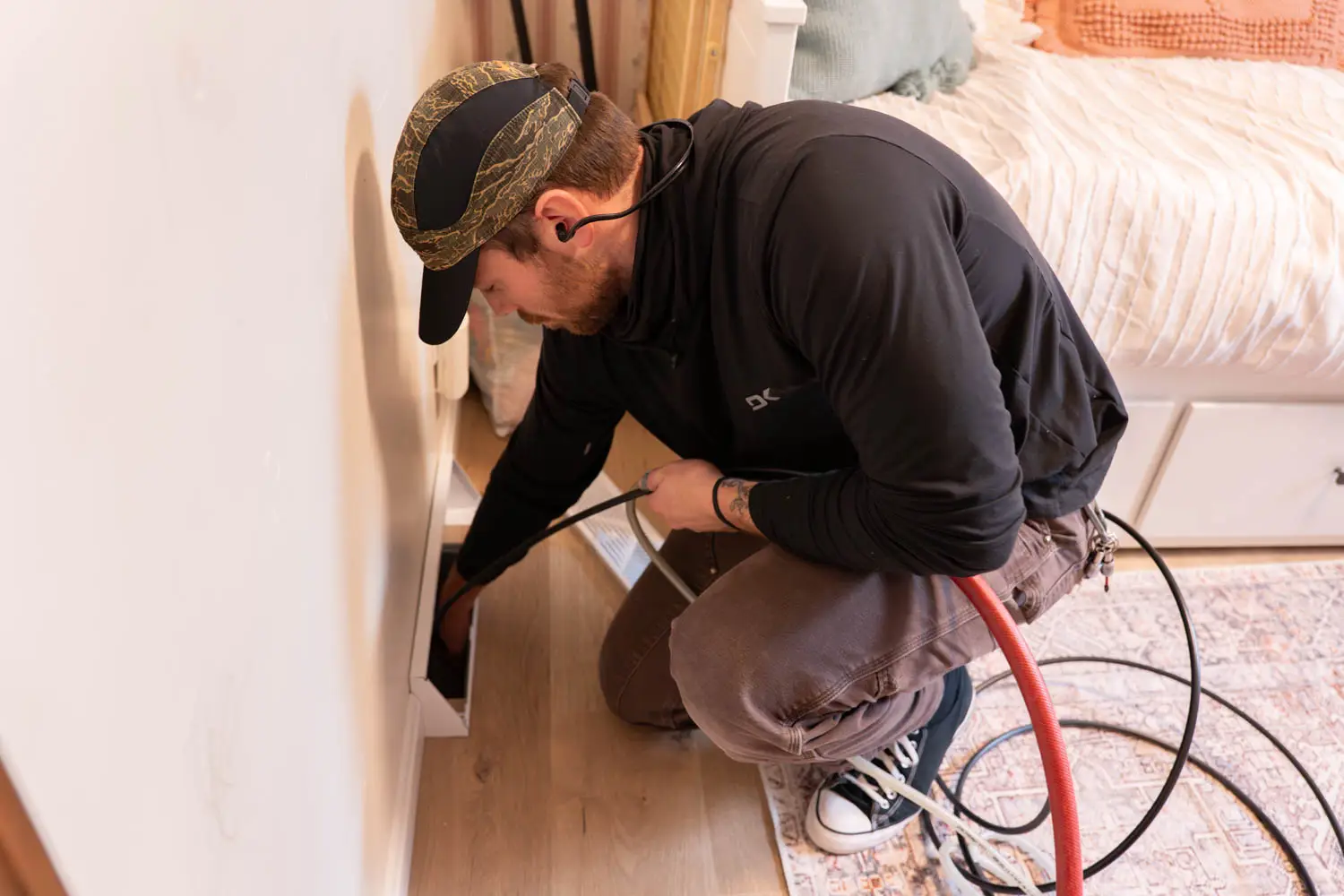
Why Most HVAC Marketing Falls Flat
The usual failure is not effort. It is scatter. An owner boosts a Facebook post one week, buys a few Google clicks the next, and lets the Google Business Profile sit half-finished the whole time. Nothing connects, so nothing compounds.
Two gaps show up again and again. The messaging is weak, so a homeowner scanning five contractors has no reason to pick this one. And local search gets ignored, so the business never appears in the map results where ready-to-buy customers look first. Fix those two and you are already ahead of most competitors in your area.
The Gap Between Impressions and Booked Jobs
A high impression count feels like progress. It is not. Impressions only mean people saw your name. Jobs come from what happens after.
Two things close that gap. Speed and trust. When a lead fills out a form or calls and waits an hour for a callback, that lead is already calling the next company. And when your reviews are thin or your site looks dated, a cautious homeowner keeps shopping. Answer fast, look credible, and the same traffic starts converting at a much higher rate.
What the Best HVAC Companies Do Differently
The HVAC companies that win locally are not running secret tactics. They run a few basics with discipline:
- They tailor offers to the season and to a real pain point. A tune-up special in May reads very differently than one in January.
- They keep their name, message, and look consistent everywhere a customer sees them.
- They follow up fast and keep following up until they get a yes or a no.
None of that is complicated. It is just done on purpose, every time, instead of when someone remembers.
The Full-Funnel HVAC Marketing System
A working setup attracts the right people, earns their trust, and makes it easy to book. Here are the pieces that carry the load.
Local SEO and Google Business Profile
For a local HVAC company, the Google Business Profile is the highest-value asset you own. It decides whether you show in the map pack, in "near me" results, and in the local panel Google now pulls into AI answers. A large share of local search action happens right there, before anyone clicks a website at all.
Get the foundation right:
- Claim and verify the profile so the listing is fully yours.
- Use the words customers actually type, including your city and service terms, in the description and services.
- Keep hours, phone, and photos current so the listing earns the click.
A complete, active profile ranks better and gets contacted more. From there, your website and the rest of your local footprint do the convincing. If you want the full picture of how organic visibility gets built, start with our approach to SEO.
A Website Built to Book Jobs
A pretty website that does not generate calls is a brochure. An HVAC site has one job: turn a visitor into a booked appointment.
That means it loads fast on a phone, since most of your traffic is on one. It puts the phone number and a clear next step in front of the visitor without making them hunt. And it answers the quiet questions a homeowner has before they call, like service area, pricing range, and whether you handle their kind of system. We cover what that looks like in detail on our web design page.
Paid Advertising That Pays for Itself
Paid ads buy speed. When you need calls this week, not next quarter, this is the lever. The catch is that paid traffic punishes sloppiness, so it has to be run with a tight hand.
Three rules keep it honest. Aim the spend at the people most likely to need you now, in the area you can serve. Watch the cost per lead like a hawk and cut what does not convert. And track every dollar to a result, so you know what to scale and what to kill. Run that way, ads become a dial you can turn up in slow weeks. We manage exactly this for HVAC clients through paid advertising.
Social Media That Earns Trust
Social media for HVAC is not about going viral. It is proof. A steady feed of real job sites, before-and-after shots, and a few helpful tips tells a nervous homeowner you are real, local, and good at the work.
Post the jobs you are already doing. Answer comments and messages quickly, because a fast reply in the DMs often turns into a booking. And put a little budget behind the posts that land, so more of the right neighbors see them. Our social media management follows the same playbook.
The Money Side of Seasonality
HVAC demand swings hard. Brutal in a July heat wave, dead in a mild October. Smart marketing budgets move with that curve instead of fighting it.
Peak Season vs. Shoulder Season
In peak season, demand finds you, so the goal is to capture more of it and protect your cost per lead while everyone else bids up the same clicks. In the shoulder months, demand is thin, so you spend to stay visible and to plant maintenance and tune-up offers that keep work on the calendar. The mistake is going dark in the slow stretch. That is when your name disappears and you start the busy season from zero.
A Budget Framework You Can Actually Run
You do not need a complicated model. You need three habits:
- Track what each channel returns, not just what it costs.
- Move money toward what is working and away from what is not.
- Set a couple of clear targets, like cost per booked job, and hold the budget to them.
Do that monthly and your spend gets smarter every cycle instead of repeating the same guesses.
Using the Slow Season to Set Up the Busy One
The quiet months are for building, not hiding. Publish maintenance tips that bring people in before the rush. Line up spring and fall tune-up offers ahead of demand. And work seasonal terms into your pages so you are already ranking when searches climb. The content you put up in the off-season is what feeds your pipeline when the weather turns.
LSAs vs. PPC vs. SEO: How to Choose
These three channels do different jobs. Most HVAC companies need a mix, weighted to where they are right now.
- Google Local Services Ads (LSAs) sit at the very top of the page and charge per lead, not per click. You pay when a qualified customer actually contacts you. For service calls, this is often the fastest, cleanest source of leads.
- Pay-per-click (PPC) buys targeted traffic on demand and gives you fine control over who sees the ad and where. It is the dial for slow weeks and new service areas.
- SEO is the long game. It builds organic visibility and a Google Business Profile presence that keep producing leads without paying per click, month after month.
What Are Google Local Services Ads?
LSAs are the badge-style ads at the top of Google for home service searches, above the regular ads and the map pack. You pay per qualified lead instead of per click, so a click that never calls costs you nothing. They show your reviews and the Google Guaranteed badge, which earns trust before a homeowner even reaches your site. For a service business, that combination of top placement and pay-per-lead pricing is hard to beat.
When to Lean on PPC
PPC earns its keep in specific moments. When you want to fill a slow week fast. When you are pushing into a new town and need traffic before your SEO catches up. When you have a seasonal offer with a short window. Aim it at the right area, sharpen the ad with the details customers want, and it delivers leads on command, as long as you keep watching the cost.
Why SEO Is Worth the Wait
SEO does not pay off overnight, which is exactly why competitors skip it and why it is worth doing. PPC stops the moment you stop paying. Good rankings and a strong local profile keep working in the background, pulling in leads at a cost that drops over time. Companies that commit to it usually convert better too, because ranking well reads as trustworthy. Treat SEO as the asset you are building while ads handle the right-now.
Stacking All Three
The channels are strongest together. SEO and your Google Business Profile build the steady base. LSAs and PPC fill the gaps and handle the slow stretches. Social media keeps your name credible across all of it. Run them as one system and watch the cost per booked job, not the vanity metrics, and you take a bigger share of your local market than any single channel could win alone.
Tracking What Actually Works
Most HVAC owners cannot tell you which channel booked last month's jobs. That guesswork is expensive, because it means money keeps flowing to things that may not be working.
Past Last-Click: How Customers Really Find You
A booked job is rarely one click. Someone sees your truck, looks you up later, reads a few reviews, then finally calls off an ad. Last-click attribution gives all the credit to that final tap and hides everything that set it up. Tracking the whole path shows which channels start the journey and which close it, so you stop cutting the things that were quietly feeding your pipeline.
Cost Per Booked Job Is the Only Score That Counts
Leads are nice. Booked jobs pay the bills. The number to live by is what it costs to land one paying customer, channel by channel. Once you can see that, the budget decisions get easy. Pour into what brings jobs cheaply, trim what does not, and your profit per marketing dollar climbs.
How AM Connect Closes the Loop
This is where a CRM earns its place. AM Connect catches every lead from every source in one place, so nothing slips between a missed call and a forgotten form. It ties each lead back to where it came from, and it shows you the path from first touch to booked job. That is how the cost-per-job math stops being a guess and becomes something you can actually manage.
Reviews and Reputation
Homeowners read reviews before they call. A strong, recent set of reviews does double duty: it convinces the person reading it, and it helps you rank.
Why Reviews Are a Ranking Signal, Not Just Social Proof
Google leans on reviews to decide who shows in the local pack. Quantity matters, quality matters, and freshness matters, since a steady stream of recent reviews tells Google the business is active and trusted. Replying to them helps too. The takeaway is simple: reviews are not just for show, they move your rankings.
Automating Review Requests With AM Connect
Most happy customers will leave a review if you make it easy and ask at the right moment. AM Connect sends the request automatically after a job, so you stop relying on memory and start collecting reviews on a steady cadence. More reviews, less effort, and a stronger listing over time.
Handling a Bad Review Without Losing the Next Lead
A negative review is not the end of the world, but a bad response can be. Stay calm and professional, since future customers are reading the reply more than the complaint. Address the specific issue so it is clear you take the work seriously. Handled well, a tough review can show prospects exactly how you treat problems, which often wins them over.
"HVAC Marketing Near Me": How Local Visibility Drives Revenue
When someone types "AC repair near me," the businesses in those top local results get the calls. Everyone else waits. Strong local visibility is the difference between a busy schedule and a quiet phone.
Optimizing for "Near Me" and Geo-Modified Searches
Keep the Google Business Profile current, since it does most of the heavy lifting in local results. Work your city and service-area terms naturally into your pages and ads. And make sure the site is fast and clean on mobile, because most "near me" searches happen on a phone in someone's hand. Get those right and you show up exactly when a nearby homeowner is ready to book.
NAP Consistency and Local Citations
Your name, address, and phone number need to match everywhere they appear online. When Google sees the same details across your site, your profile, and local directories, it trusts the business more and ranks it higher. Mismatched listings do the opposite. Clean, consistent citations are unglamorous work, but they quietly lift your local rankings.
Case Study: From 40 to 120-Plus Leads a Month
Here is how the system plays out in the field. The numbers below come from work we have done with HVAC clients; see more on our HVAC marketing results page.
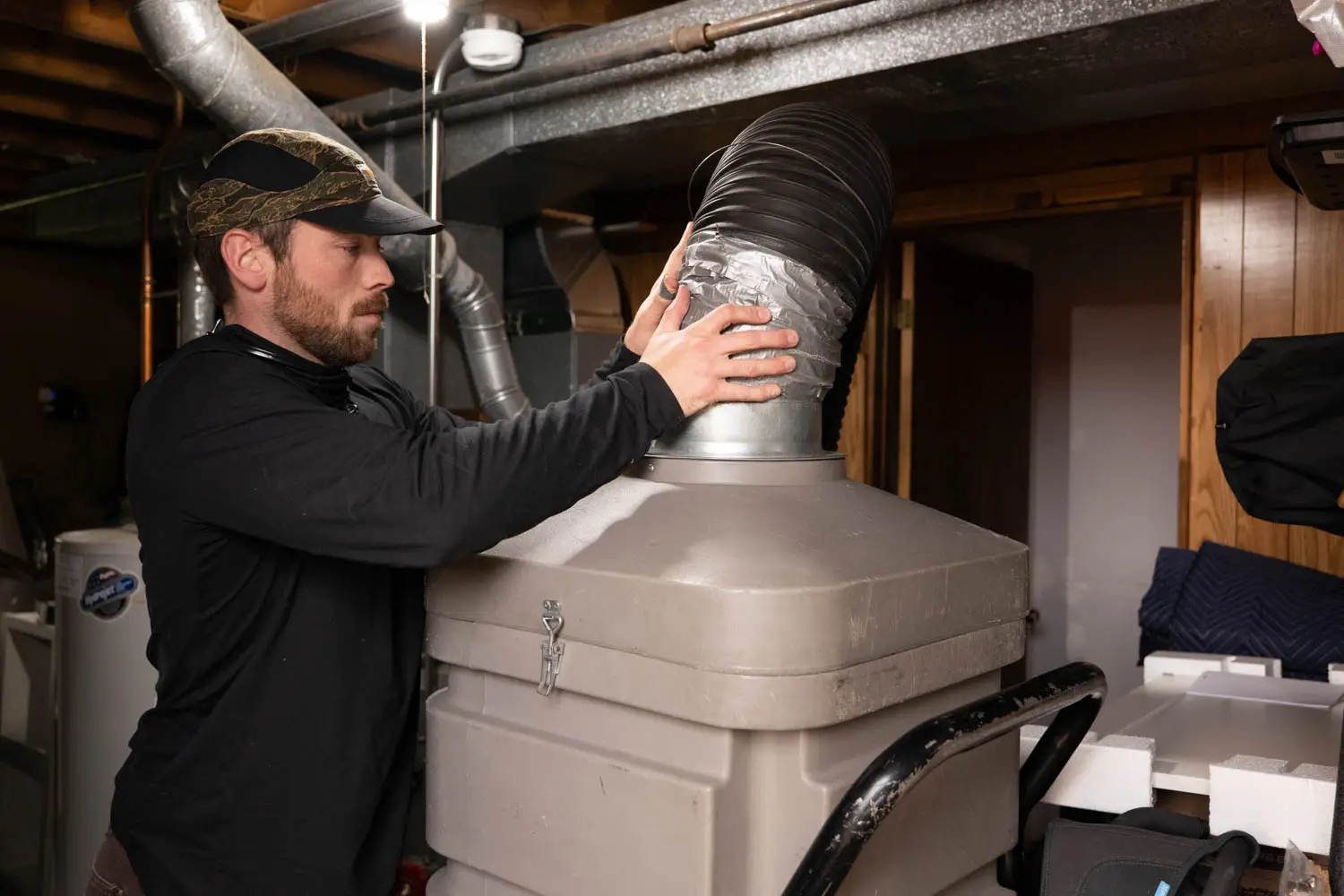
The starting point. The company was stuck around 40 leads a month and converting too few of them. Strong competitors crowded the local results, and the brand barely registered with homeowners who did not already know them.
What we changed. We rebuilt the local SEO foundation so they ranked for the searches that mattered in their towns. We put out content that answered real homeowner questions and showed expertise. And we tightened the follow-up so leads got a fast, human response instead of going cold.
What happened. Monthly leads climbed from 40 to over 120. More of those leads turned into booked jobs, because the follow-up was quick and the reviews backed up the pitch. And the brand finally stood out in a crowded market. The pieces worked because they worked together, not because any one of them was magic.
Get a Free HVAC Marketing Audit
If your phone is not ringing the way it should, a quick audit will usually show you why. We look at where you stand in local search, how your Google Business Profile and reviews compare to competitors, and where your site is leaking leads. You get a clear read on what is working, what is not, and the few moves that would make the biggest difference.
It is a fit for any HVAC company that wants more booked jobs and is tired of guessing where the leads come from. Reach out here and we will take a look.
Frequently Asked Questions
What does an HVAC marketing agency do?
A good one builds the whole system: local SEO and Google Business Profile, a website that converts, paid ads, reviews, and the tracking that ties it all to booked jobs. The point is not activity. It is leads you can count.
How much should an HVAC company spend on marketing?
A common range is 5 to 10 percent of revenue, adjusted for how competitive your area is and how aggressively you want to grow. What matters more than the percentage is knowing your cost per booked job, so every dollar is accountable.
What is the best marketing strategy for HVAC companies?
There is no single best channel. The strongest setup pairs local SEO for steady organic leads with paid ads for speed, backed by reviews and a site built to convert. The right weighting depends on your season and budget.
How long does HVAC SEO take to work?
Usually 3 to 6 months for early movement and 6 to 12 months for the full payoff. It is slower than ads, which is exactly why it builds a lead source competitors cannot buy their way past overnight.
What is the difference between LSAs and Google Ads for HVAC?
Local Services Ads charge per lead and sit at the very top of the page with a Google Guaranteed badge. Regular Google Ads charge per click and reach a broader audience. Many HVAC companies run both, with LSAs carrying the service-call leads.
How do I track ROI from my HVAC marketing?
Track leads, booking rate, and cost per booked job by channel. A CRM like AM Connect ties each lead back to its source, so you can see which channels actually pay and shift budget toward them.