

Driving Growth with 2026 Digital Marketing Strategies
By Jon Almas, AM Creative LLC
In 2026’s competitive digital landscape, focused marketing is essential. This guide offers practical tactics for small businesses to use online platforms and tools to increase reach, drive traffic, and generate leads. With limited resources, the recommended approaches prioritize efficiency and measurable impact, including SEO, local search, social media, content, and automation to support steady growth.
Search Engine Optimization (SEO)
SEO is key to online visibility. Improving site structure and content helps rankings and attracts organic traffic. Core tactics are targeted keyword research, concise on-page optimization, and earning reputable backlinks. Together these actions boost visibility and credibility. For more, see SEO.
Importance of Keyword Research
Keyword research ensures your content matches user intent. Identify phrases customers use and prioritize them by relevance and competitiveness. Tools like Google Keyword Planner reveal opportunities to target queries that drive qualified visits.
On-Page Optimization Techniques
Optimize title tags, meta descriptions, headers, and body content to reflect target keywords. Ensure pages are mobile-friendly and load quickly to improve user experience and search performance.
Building Quality Backlinks
Backlinks from reputable sites signal authority. Earn links via guest posts, partnerships, and creating useful, shareable resources that attract natural citations.
Local SEO Strategies
For businesses serving local areas, local SEO improves discovery by nearby customers. Key steps include completing Google Business Profiles, keeping NAP consistent, and publishing localized content that connects with the community.
Recent research emphasizes the critical role of local SEO in enhancing business visibility and conversion, particularly for traditional small and medium-sized enterprises (MSMEs).
Local SEO for Small Businesses: Increasing Visibility and Footfall Conversion
This community service activity assisted traditional MSMEs to survive and grow through digitalisation by increasing visibility and converting footfall. A case study on a building-material MSME applied a local SEO approach: initial observation of the business profile and customer visits, implementation of local SEO tactics, and final observation to assess results. Optimization strategies included completing business information, applying local keywords, adding visual content, and actively managing customer reviews.
Implementation of local SEO on Google Maps for increasing footfall conversion in a building-store business, NPL Santoso, 2026
Optimizing Google Business Profile
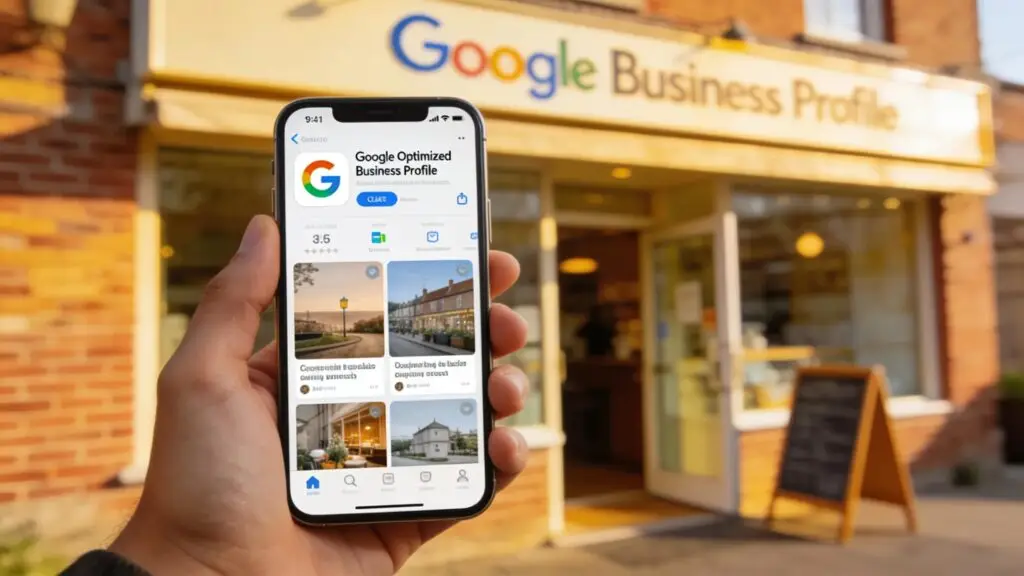
Keep your Google Business Profile complete and current: accurate hours and contact info, high-quality photos, and regular posts. Encourage and respond to reviews to improve local rankings and foot traffic.
Ensuring NAP Consistency
Consistent Name, Address, and Phone across directories prevents confusion for customers and search engines. Regular audits keep listings accurate.
Creating Localized Content
Publish short posts about local events, partnerships, or community initiatives to attract nearby users and strengthen local relevance.
Further research confirms the importance of local optimization for increasing organic traffic and conversion, offering practical insights for businesses.
Local SEO Strategies for Retailers: Boosting Organic Traffic and Conversion
This research demonstrates the importance of local optimization for retailers to increase organic traffic. It provides practical recommendations for Google local optimization and presents micromarking examples (based on a Ukrainian retailer) intended to improve Local Pack placement compared with competitors and increase organic traffic and conversion.
Business optimization in the digital age: Insights and recommendations, A Natorina, 2020
Social Media Marketing
Social media helps small businesses build awareness and engage customers. Platforms such as Facebook, Instagram, and Twitter support content sharing, community interaction, and promotion.
Engagement with the Community

Be active in local conversations, respond promptly to inquiries, and share user-generated content to build trust and word-of-mouth referrals.
Running Targeted Ads
Use platform targeting to reach audiences by interests, behaviors, and location. Focus campaigns on clear goals and audience segments; for industry-specific planning (for example, construction) see marketing strategies.
Content Sharing Strategies
Mix promotional posts with informative content—blog excerpts, short videos, and infographics. Post consistently and engage followers to increase visibility and sharing.
Website Optimization
A functional website supports all marketing efforts. Prioritize responsive layouts, fast load times, and clear messaging. Professional web design can help present services clearly.
Mobile-Friendly Design
Ensure responsive pages and simple navigation so mobile users can find information quickly and convert.
Fast Loading Speeds
Improve load times by compressing images, using caching, and trimming unnecessary code to reduce bounce and keep visitors engaged.
Clear Communication of Services
Use structured pages, intuitive navigation, and prominent calls-to-action so visitors can quickly understand offerings and take the next step.
Email Marketing
Email is cost-effective for nurturing leads and retaining customers. Build an opt-in list and send helpful, timely messages.
Segmentation of Email Lists
Segment lists by behavior or interest to send targeted, relevant messages that increase opens and clicks.
Regular Updates and Newsletters
Send concise newsletters with useful tips, promotions, or news to keep your audience engaged and encourage repeat business.
Content Marketing
Content marketing drives traffic and authority. Prioritize useful, solve-first content that answers customer questions and showcases expertise.
Content marketing plays a vital role in building brand awareness and generating leads in today’s digital environment, by captivating audiences and fostering trust.
Content Marketing: Driving Brand Awareness and Lead Generation for Businesses
This research explains how content marketing builds brand awareness and generates leads using frameworks such as AIDA and Aaker’s Brand Equity. It recommends storytelling, SEO, and user-generated content to establish trust and emotional connection. The study also identifies challenges—content saturation, ROI measurement, and long-term engagement—while noting opportunities in artificial intelligence, interactive content, and visual storytelling.
The Impact of Content Marketing on Brand Awareness and Lead Generation, M Savariapitchai, 2024
Creating Informative Content
Create practical content—blogs, how-to guides, and case studies—that addresses customer pain points and builds trust.
Utilizing Video Marketing
Short product demos, testimonials, and educational clips increase engagement and are easily shared on social platforms.
Lead Generation Techniques
Capture leads with clear offers and simple signup paths to grow your contact list.
Implementing Lead Capture Forms
Place short lead forms on relevant pages and offer incentives like eBooks or discounts to encourage sign-ups.
Using Clear Calls-to-Action
Use direct calls-to-action that explain the benefit—newsletter signups, consultations, or purchases—to improve conversions.
Community Engagement
Local engagement builds loyalty and visibility. Activities can include events and business partnerships.
Participating in Local Events
Attend markets or fairs to meet customers, gather feedback, and promote your brand in person.
Building Partnerships with Local Businesses
Collaborate on joint promotions or events to share audiences and strengthen local presence.
Performance Measurement
Track results to refine strategy. Use reliable metrics and set regular review cycles.
Tracking Key Performance Indicators
Monitor website traffic, conversion rates, and social engagement to evaluate channels and campaigns.
Utilizing Data Analytics Tools
Analytics tools reveal user behavior and help focus efforts where they drive the best results.
Marketing Automation
Automation saves time on repetitive tasks and ensures consistent engagement while freeing time for strategy.
Streamlining Processes
Automate emails, social posting, and lead scoring to maintain steady communication and free resources.
Nurturing Leads Effectively
Set automated sequences that send personalized messages based on behavior to guide prospects through the funnel.
Understanding a coordinated digital marketing approach strengthens online presence. Whether via targeted ads, SEO, or engaging content, a combined strategy yields better results. For tailored help, visit their contact page.
Frequently Asked Questions
What are some common mistakes small businesses make in digital marketing?
Common errors include not defining or segmenting the target audience, underusing analytics, and inconsistent branding across channels, which reduces campaign effectiveness.
How can small businesses measure the success of their digital marketing efforts?
Track KPIs such as website traffic, conversion rates, and social engagement. Use tools like Google Analytics and platform metrics to identify what performs and where to adjust.
What role does content marketing play in small business growth?
Content attracts and engages prospects by answering questions and solving problems; valuable content builds authority and drives conversions.
Are there cost-effective marketing strategies for small businesses?
Yes—organic social, community events, email marketing, local SEO, and partnerships are affordable and can deliver meaningful results.
How important is customer feedback in shaping marketing strategies?
Customer feedback provides actionable insight into preferences and pain points; responding builds trust and improves campaign alignment.
What are the benefits of using marketing automation for small businesses?
Automation increases efficiency, supports personalized lead nurturing, and improves tracking while saving time on routine tasks.
How can small businesses enhance their online presence effectively?
Improve site speed and mobile usability, engage on social media, apply SEO best practices, and maintain regular, locally relevant content to attract and retain customers.
Conclusion
Applying these focused digital marketing strategies can raise visibility and support sustainable growth. Combining SEO, local optimization, social engagement, and automation helps attract and retain customers. For specific guidance, review our resources or contact us for personalised support.