
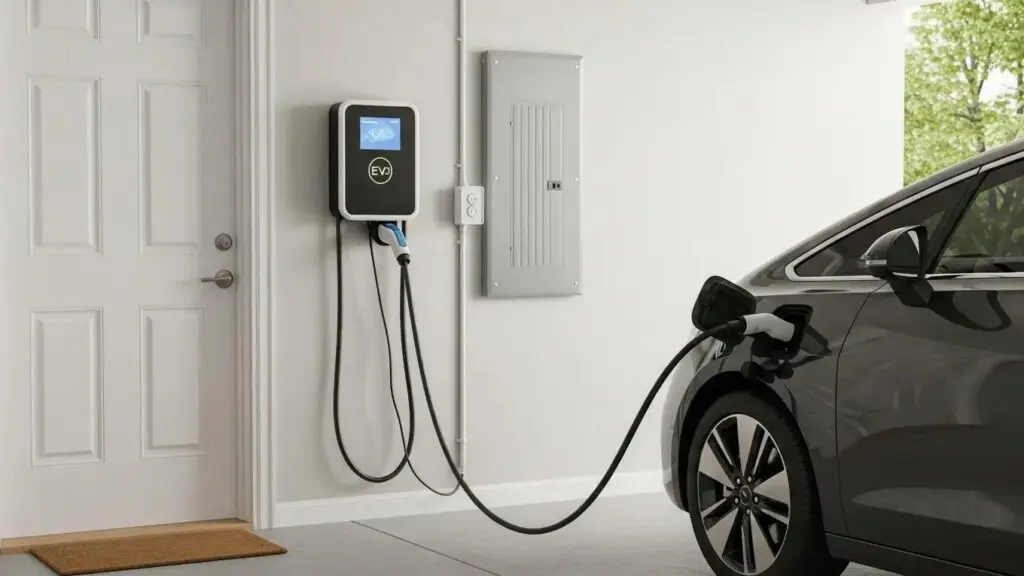
EV Charger Installation Cost in NH 2026: What Homeowners Should Expect
By Brenden Moore, Moore Electric Inc.
As electric vehicles (EVs) gain popularity, homeowners in New Hampshire are increasingly considering the installation of EV chargers. Understanding the costs associated with this installation is crucial for budgeting and planning. In this article, we will explore the typical costs for home EV charger installation in New Hampshire, the factors that influence these costs, and the available rebates and incentives that can help offset expenses. Homeowners will learn about the different types of chargers, the importance of electrical panel upgrades, and how to choose a qualified installer. By the end of this guide, readers will have a comprehensive understanding of what to expect regarding EV charger installation costs in 2026.
What Are the Typical Costs for Home EV Charger Installation in New Hampshire?
The cost of installing a home EV charger in New Hampshire typically ranges from $500 to $2,500, depending on various factors. This price range primarily reflects the installation of Level 2 chargers, which are the most common for residential use. Homeowners should consider the importance of hiring licensed electricians to ensure safe and compliant installations. The overall cost can vary based on the specific requirements of the installation site, including the distance from the electrical panel and any necessary upgrades. For a reliable installation service, consider exploring EV charger installation options.
How Do Residential EV Charger Prices Vary by Charger Type and Installation Complexity?
Residential EV charger prices can vary significantly based on the type of charger and the complexity of the installation. Level 1 chargers, which use a standard 120-volt outlet, are generally less expensive, often costing around $300 to $600 for the unit and installation. In contrast, Level 2 chargers, which require a dedicated 240-volt circuit, typically range from $1,000 to $2,500 for installation. The complexity of the installation, such as the need for additional electrical work or modifications to the home’s electrical system, can also impact the final cost.
What Factors Influence the Total Installation Cost Including Electrical Panel Upgrades?
Several factors influence the total cost of EV charger installation, including the type of charger selected, the need for electrical panel upgrades, and labor costs. If a homeowner’s electrical panel is outdated or insufficient to handle the additional load from an EV charger, an upgrade may be necessary. Panel upgrades can cost between $1,500 and $3,000, depending on the existing system and the required capacity. Additionally, labor costs can vary based on the complexity of the installation and the rates charged by local electricians. Understanding the necessity and cost of electrical panel upgrades is crucial for accurate budgeting.
Which 2026 New Hampshire EV Charger Rebates and Incentives Can Homeowners Access?
Homeowners in New Hampshire can access various rebates and incentives to help offset the costs of EV charger installation. Federal tax credits offer a significant benefit, providing up to 30% back on installation costs, with a maximum credit of $1,000 for residential installations. Additionally, state utility programs, such as those offered by Eversource NH, can provide savings of $200 to $400 annually for EV charger users. These incentives make it more affordable for homeowners to invest in EV charging solutions.
How Do State and Federal EV Charger Rebates Reduce Installation Expenses?
State and federal EV charger rebates can significantly reduce installation expenses for homeowners. The federal tax credit allows homeowners to claim 30% of their installation costs, which can lead to substantial savings. For example, if the total installation cost is $2,000, the homeowner could receive a tax credit of $600. Additionally, state programs may offer further financial assistance, making the transition to electric vehicle ownership more accessible and affordable. For professional electrical services, including EV charger installations, Moore Electric Inc is a reputable choice.
What Are the Eligibility Requirements for Electric Vehicle Charger Rebates in NH?
To qualify for electric vehicle charger rebates in New Hampshire, homeowners must meet specific eligibility criteria. Primarily, the installation must occur at a residential property within the state. Furthermore, the installation must comply with local building codes and regulations. Homeowners should ensure that their chosen installer is familiar with these requirements to avoid any issues during the rebate application process.
When Is an Electrical Panel Upgrade Necessary for EV Charger Installation in NH?
An electrical panel upgrade may be necessary for EV charger installation if the existing panel cannot support the additional load. Homes with 100-amp panels may need to upgrade to a 200-amp panel to accommodate the demands of a Level 2 charger. Homeowners should consult with a licensed electrician to assess their current electrical system and determine if an upgrade is required.
How Does Electrical Panel Capacity Affect EV Charger Installation Costs?
The capacity of the electrical panel directly affects the costs associated with EV charger installation. A higher capacity panel can handle more electrical load, which is essential for safely operating an EV charger. If an upgrade is necessary, costs can range from $1,500 to $3,000, depending on the complexity of the upgrade and the specific requirements of the home. Homeowners should factor these potential costs into their overall budget for EV charger installation.
What Are the National Electrical Code Compliance Requirements for Panel Upgrades?
Compliance with the National Electrical Code (NEC) is crucial for any electrical work, including panel upgrades for EV charger installations. The NEC requires that a dedicated 240V circuit be installed for EV chargers, ensuring safe and efficient operation. Additionally, permits must be obtained before installation, and inspections may be required to verify compliance with local codes. Homeowners should work with licensed electricians who are familiar with these requirements to ensure a smooth installation process.
How to Choose a Local EV Charger Installer in New Hampshire for 2026?
Choosing a qualified local EV charger installer is essential for ensuring a safe and efficient installation. Homeowners should look for installers with experience in EV charger installations and a solid reputation in the community. Checking for proper licensing and insurance is also crucial. Additionally, seeking recommendations from friends or online reviews can help homeowners find reliable contractors. For those seeking experienced professionals, learning about an installer’s background can be helpful, for instance, by exploring their company background.
What Credentials and Experience Should Homeowners Look for in NH EV Charger Installers?
When selecting an EV charger installer, homeowners should prioritize credentials and experience. Installers should be licensed electricians with specific training in EV charger installations. It’s also beneficial to choose contractors who have completed similar projects and can provide references or testimonials from previous clients. This ensures that the installer is knowledgeable about local codes and best practices for EV charger installations.
How Does Moore Electric Inc Compare to Other Local EV Charger Installation Services?
While specific comparisons to other local services cannot be made, homeowners should evaluate potential installers based on their service offerings, customer satisfaction, and pricing. Researching multiple contractors and obtaining quotes can help homeowners make informed decisions. It’s essential to consider the overall value, including the quality of service and expertise, rather than just the lowest price.
What Is the Step-by-Step Process for EV Charging Station Installation in New Hampshire?
The installation process for an EV charging station typically involves several key steps:
- Initial Assessment: A licensed electrician evaluates the home’s electrical system and determines the best location for the charger.
- Permit Handling: Necessary permits are obtained from local authorities to ensure compliance with building codes.
- Installation: The charger is installed, including any required electrical upgrades or modifications.
- Testing: The system is tested to ensure proper functionality and safety.
This structured approach helps ensure a successful installation that meets all regulatory requirements.
What Permits and Inspections Are Required for Residential EV Charger Installation in NH?
Homeowners must obtain specific permits and undergo inspections for residential EV charger installations in New Hampshire. The required permits typically include electrical permits, which ensure that the installation complies with local building codes. Inspections may be conducted to verify that the installation meets safety standards and is correctly integrated into the home’s electrical system.
How Long Does the Installation Typically Take and What Should Homeowners Expect?
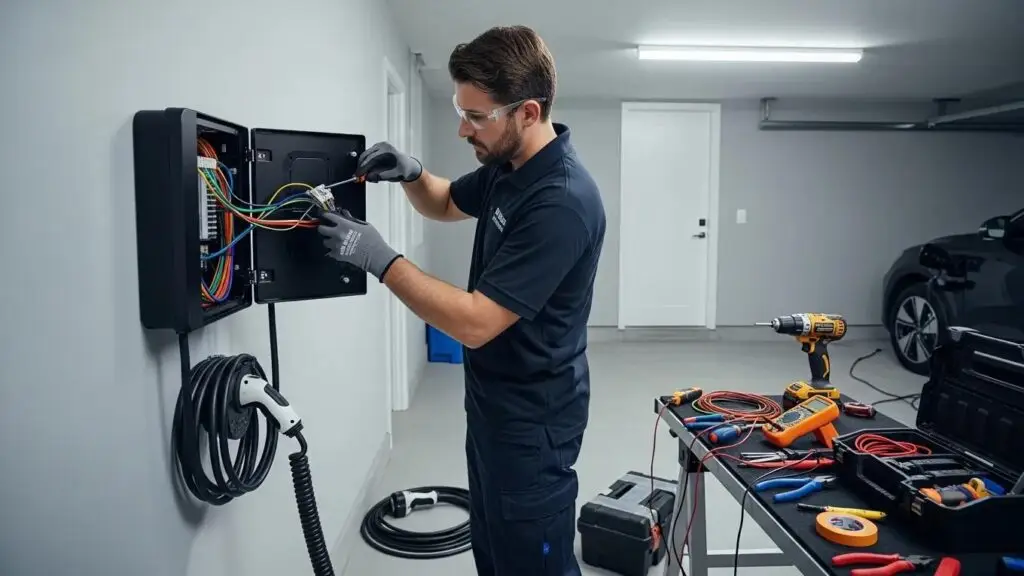
The installation of an EV charger typically takes between 4 to 8 hours, depending on the complexity of the installation and any necessary electrical upgrades. Homeowners should expect the electrician to conduct a thorough assessment of their electrical system before beginning work. Clear communication with the installer about the expected timeline and any potential delays is essential for a smooth installation process.
Where Can Homeowners Find Updated 2026 NH EV Incentives and Installation Cost Resources?
Homeowners can find updated information on EV incentives and installation costs through various resources. Local utility providers, such as Eversource NH, often provide information on available rebates and programs. Additionally, state government websites and energy offices offer resources and updates on incentives for electric vehicle charging solutions. For specialized commercial electrical needs, commercial electrical services are also available.
How to Access NH Energy Office Updates and External Rebate Information?
To access updates from the NH Energy Office and external rebate information, homeowners can visit the official state energy office website or contact local energy offices directly. These resources provide valuable information on current programs, eligibility requirements, and application processes for rebates related to EV charger installations.
What Online Tools and Directories Help Compare Local EV Charger Installation Costs?
Several online tools and directories can assist homeowners in comparing local EV charger installation costs. Websites that aggregate contractor reviews and pricing information can provide insights into average costs and help homeowners find qualified installers in their area. Utilizing these resources can lead to more informed decisions and potentially lower installation costs. For any electrical service needs, including immediate assistance, homeowners can reach out to Moore Electric Inc for comprehensive support.