

Local AI Marketing for MA/NH Home Services: Boost Leads & Engagement
AI is changing how home service companies—HVAC, plumbing, electrical, and remodeling—find and keep customers. In this guide we show practical ways AI improves lead generation, speeds up responses, and boosts customer engagement, with tips tailored for Massachusetts and New Hampshire businesses. You’ll get a clear look at the tools that work, how automated marketing affects ROI, and what to plan for next so your business can grow, not just compete.
How does AI change lead generation for home service companies?
AI makes lead generation smarter and faster. By analyzing data, automating routine tasks, and prioritizing prospects, AI helps you focus on the leads most likely to convert. That means less time chasing low-value inquiries and more efficient use of your marketing budget—resulting in better conversion rates and a stronger return on investment.
What are the benefits of AI-powered lead qualification for contractors?
AI lead qualification gives contractors three practical advantages: higher conversion rates by flagging the best prospects, near-instant responses that keep customers engaged, and smarter targeting so offers match customer needs. The result is a more personalized experience that saves your team time and drives more bookings.
How do AI chatbots improve instant lead response and customer conversations?
AI chatbots handle inquiries 24/7, so potential customers get answers immediately—even outside business hours. By collecting key details, scheduling appointments, and routing urgent requests, chatbots shorten response time and increase the chance a visitor becomes a booked job. That faster, more personal interaction helps small teams compete with larger firms.
Which AI tools work best for HVAC, plumbing, electrical, and remodeling businesses?
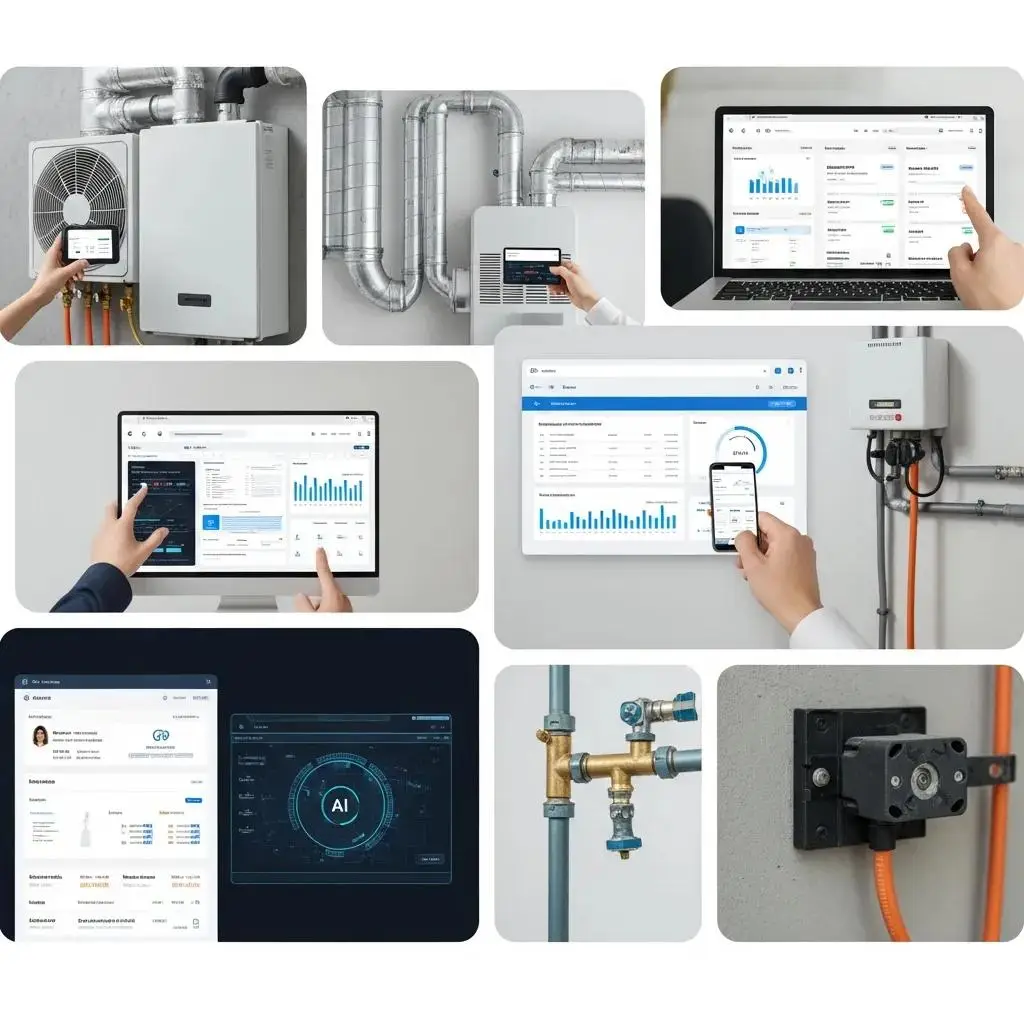
There’s a growing set of AI tools built for home service needs—everything from predictive demand models to automated customer follow-up. Used together, they tighten operations, improve marketing relevance, and make it easier to turn website visitors into paying customers.
What AI solutions help HVAC companies market more effectively?
HVAC teams see big wins with predictive analytics and modern CRMs. Predictive tools forecast busy seasons and help plan inventory and staffing. A CRM powered by behavioral data lets you send targeted service offers and reminders so customers book at the right time—keeping vans full and reducing downtime.
How can plumbers automate customer engagement with AI tools?
Plumbers can automate scheduling, confirmations, and follow-ups so customers get a smooth experience without manual outreach. Automated systems reduce missed appointments, send timely reminders, and gather reviews—all without adding admin work—freeing your crew to focus on jobs, not paperwork.
How can automated marketing raise ROI for electricians and other service providers?

Automated marketing cuts repetitive tasks and keeps prospects moving through the funnel. That efficiency lowers customer acquisition cost and raises conversion rates—so the same spend produces more booked jobs and better margins.
What role does predictive analytics play in targeted campaigns?
Predictive analytics identifies patterns in customer behavior and signals when someone is likely to need service. Use those insights to target ads and emails more precisely—reach the right people with the right offer at the right time, and you’ll see stronger campaign performance.
How does AI-driven content creation support contractor marketing?
AI content tools speed up creating service pages, emails, and ads that match customer intent. They’re a time-saver for producing consistent, local-focused content so your website and campaigns stay current and relevant—without slowing your marketing team down.
What are best practices for rolling out AI marketing in Massachusetts and New Hampshire?
Local markets matter. For MA and NH contractors, success comes from blending AI with local SEO, clear messaging about licensing and service areas, and customer-first processes that reflect New England expectations for reliability and transparency.
How does local SEO integration boost AI marketing results?
Combine AI targeting with local SEO so you show up in the searches your neighbors perform. Optimize for local terms, leverage location-based ads, and use AI to surface the neighborhoods and service types that generate the most value. This approach improves visibility and converts searchers into local customers.
What ethical issues should home service businesses consider when using AI?
Use AI responsibly: protect customer data, get clear consent for communications, and explain how automated tools are used. Transparency builds trust—especially when people invite technicians into their homes.
How can home service businesses measure AI marketing’s impact on growth?
Track the right metrics and you’ll see where AI is working and where to adjust. Measurement turns activity into insight so you can grow predictably.
Which metrics show AI-driven lead conversion and customer retention?
Key metrics include conversion rate, customer acquisition cost (CAC), appointment-to-job conversion, and lifetime value (LTV). Monitor these to understand whether AI is improving lead quality, reducing costs, and keeping customers coming back.
How does transparent cost-per-lead tracking improve marketing decisions?
Knowing exact cost-per-lead helps you compare channels and prioritize the ones that deliver profitable jobs. Transparent tracking makes budget decisions data-driven instead of guesswork—so you can scale what works and cut what doesn’t.
What does the future hold for AI in home service marketing?
AI will keep getting more precise and more realtime, letting small teams deliver big-company experiences. Expect smarter personalization, faster responses, and tools that free technicians to focus on service instead of admin.
How will AI enable hyper-personalization and realtime customer engagement?
AI can use realtime signals to personalize offers, reminders, and support—based on recent searches, past jobs, or service history. That relevance improves response rates and makes customers feel known, which drives loyalty and repeat business.
What emerging AI trends should contractors plan for?
Plan for voice-optimized search, deeper analytics that tie marketing to revenue, and automation that handles more of the customer journey. Adopting these early gives you a competitive edge as customer habits shift.
| AI Tool | What it does | Why it helps |
|---|---|---|
| Predictive analytics | Forecasts demand and job timing | Improves staffing and inventory planning |
| CRM systems | Tracks customer interactions and preferences | Enables targeted, personalized outreach |
| Automated scheduling | Makes booking simple and reliable | Reduces no-shows and improves customer experience |
When combined thoughtfully, these AI tools streamline operations and make every customer touchpoint more effective—from first click to repeat service.
AI isn’t a magic bullet, but when used right it transforms lead generation, customer care, and long-term growth. Start by mapping where AI can remove friction in your process, test the tools that fit your team, and scale what improves bookings and margins in your local market.
Frequently Asked Questions
What types of AI tools are available for home service businesses?
Common options include predictive analytics for forecasting demand, AI-enhanced CRMs for personalized outreach, chatbots for instant responses, and automated scheduling for easier bookings. Each tool targets a specific part of the customer journey to save time and increase conversions.
How can home service providers protect customer privacy when using AI?
Protect privacy by encrypting data, asking for clear consent, and documenting how you use customer information. Keep privacy policies up to date and give customers control over communications—this builds trust and reduces compliance risk.
What challenges come with adopting AI in home service marketing?
Typical hurdles include upfront costs, the learning curve for staff, and ensuring data quality. Start small, prioritize tools that solve the biggest pain points, and invest in training so your team gets value quickly.
How can home service businesses keep up with AI advancements?
Stay informed through industry newsletters, local trade events, vendor demos, and peer networks. Test new features on a small scale and learn from results—continuous learning beats trying to adopt every headline trend.
How does customer feedback improve AI-driven marketing?
Customer feedback helps tune AI models and messaging. Use reviews, surveys, and post-job follow-ups to identify what works, then feed that data back into your campaigns to improve relevance and satisfaction.
How can small home service businesses compete with larger companies using AI?
Small businesses can compete by focusing AI on local targeting and personal service—where agility beats scale. Use affordable tools like chatbots, automated reminders, and niche targeting to deliver a better local experience without the big-company overhead.
Conclusion
AI marketing can be a practical growth lever for home service businesses when applied to real needs: better lead qualification, faster responses, and more relevant outreach. Start with a clear problem to solve, pick the right tools for your market, and measure outcomes so you can scale what works. If you serve Massachusetts or New Hampshire, local-first tactics plus smart automation will put your business ahead—one booked job at a time.