
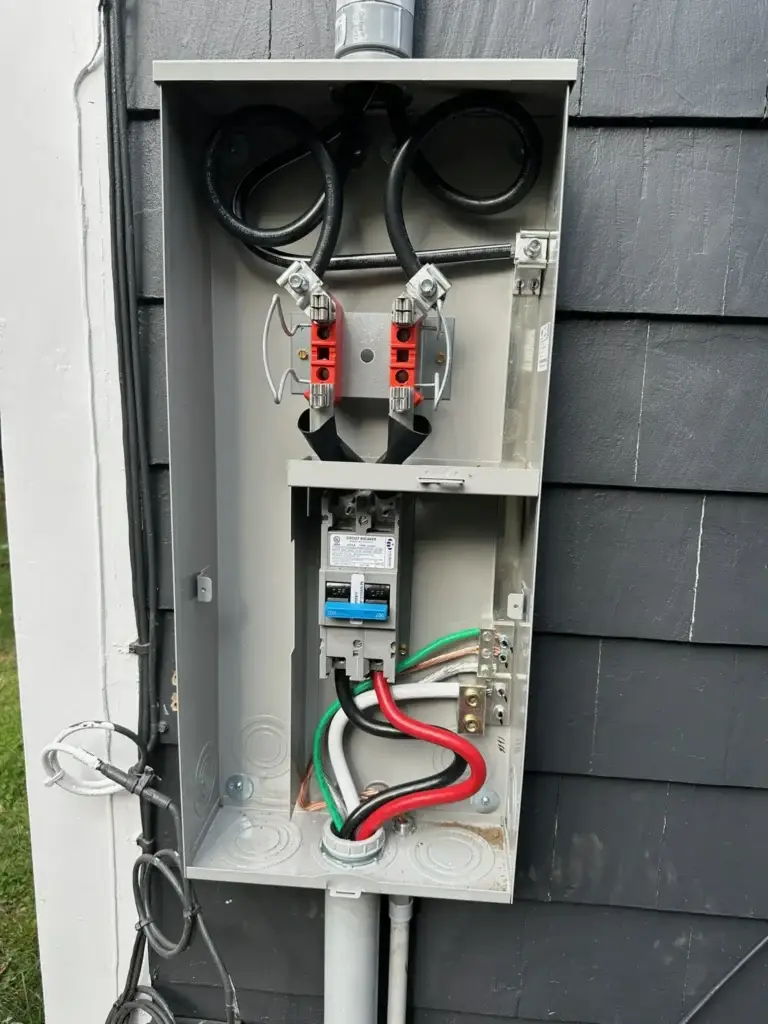
What Size Electrical Panel Do I Need for an EV Charger? A Homeowner's Guide
By Brenden Moore, Moore Electric Inc.
As electric vehicles (EVs) become increasingly popular, homeowners are faced with the challenge of ensuring their electrical systems can support EV charging. Understanding the size of the electrical panel required for an EV charger is crucial for safe and efficient charging. This guide will help you navigate the complexities of electrical panel capacity, amperage requirements, and the necessary upgrades to accommodate your EV charging needs. By the end of this article, you will have a clear understanding of how to size your electrical panel for an EV charger, the common panel sizes available, and the relevant National Electrical Code (NEC) requirements.
In this comprehensive guide, we will cover the basics of electrical panel capacity, how amperage affects charger compatibility, common panel sizes, NEC requirements, and the process of calculating the necessary panel size for your home EV charger. Additionally, we will discuss the signs that indicate a need for an upgrade and the typical costs associated with this process.
What Are the Basics of Electrical Panel Capacity for Home EV Chargers?
Electrical panel capacity is a critical factor when it comes to installing an EV charger at home. The capacity of your electrical panel determines how much electrical load it can handle, which is essential for ensuring safe and efficient charging. Most modern homes are equipped with panels that have a capacity of 100 to 200 amps, which is generally sufficient for typical household needs, including EV charging.
When considering an EV charger, it is important to assess the existing load on your electrical panel. This includes all the appliances and devices that are currently in use. If the total load approaches the panel’s capacity, an upgrade may be necessary to accommodate the additional demand from the EV charger. Understanding these basics will help you make informed decisions about your electrical system and ensure that it meets the requirements for EV charging.
How Does Electrical Panel Amperage Affect EV Charger Compatibility?
The amperage of your electrical panel plays a significant role in determining the compatibility of your EV charger. Most Level 2 EV chargers require a dedicated circuit with a minimum of 30 amps, while some may require up to 50 amps for optimal performance. If your electrical panel is rated for 100 amps, it may be able to support a Level 2 charger, but careful load calculations are necessary to ensure safety.
Older homes with lower amperage panels may need an upgrade to support modern EV charging requirements. Upgrading your panel not only enhances compatibility with EV chargers but also improves the overall safety and efficiency of your electrical system. It is essential to consult with a qualified electrician to evaluate your panel’s amperage and determine if an upgrade is necessary. For a professional assessment, consider exploring electrical panel upgrades.
What Are Common Electrical Panel Sizes for Residential EV Charging?
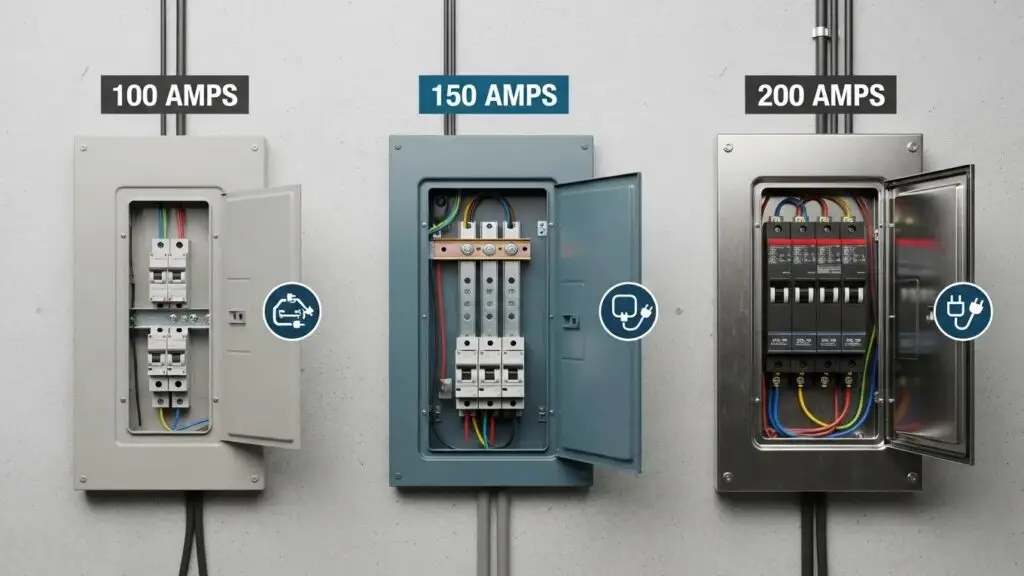
When it comes to residential electrical panels, common sizes include 100 amps, 150 amps, and 200 amps. Each size has its own advantages and suitability for different household needs:
- 100 Amps: Suitable for smaller homes with minimal electrical demands. May require an upgrade for EV charging.
- 150 Amps: A good middle ground for average-sized homes, providing enough capacity for most household appliances and a Level 2 EV charger.
- 200 Amps: Ideal for larger homes or those with multiple high-demand appliances. This size is generally recommended for homes with EV chargers.
Choosing the right panel size is crucial for ensuring that your electrical system can handle the load from an EV charger without risking overload or safety hazards.
What Are the NEC Requirements for Installing an EV Charger Electrical Panel?
The National Electrical Code (NEC) sets forth guidelines and requirements for the safe installation of electrical systems, including those for EV chargers. Key NEC requirements for installing an EV charger electrical panel include:
- Panel Capacity: The panel must have sufficient capacity to handle the additional load from the EV charger.
- Dedicated Circuit: EV chargers must be installed on a dedicated circuit to prevent overload and ensure safety.
- Grounding and Bonding: Proper grounding and bonding are essential for preventing electrical shock and ensuring system safety.
Compliance with NEC requirements is crucial for the safe installation of EV chargers and helps protect homeowners from potential hazards.
Which NEC Code Sections Govern EV Charger Panel and Circuit Breaker Sizing?
Several NEC code sections are relevant to the sizing of electrical panels and circuit breakers for EV chargers. These include:
- Article 625: Covers the requirements for EV charging systems, including installation and safety standards.
- Article 240: Addresses overcurrent protection and circuit breaker sizing, ensuring that circuits are adequately protected against overloads.
- Article 250: Focuses on grounding and bonding requirements, which are critical for the safe operation of electrical systems.
Understanding these code sections is essential for ensuring compliance and safety during the installation of EV chargers. For professional EV charger installation services, consider consulting with experts.
How Do NEC 2023 Updates Impact Electrical Panel Upgrades for EV Charging?
The NEC is regularly updated to reflect advancements in technology and safety standards. The 2023 updates include several important changes that impact electrical panel upgrades for EV charging:
- Increased Capacity Requirements: New guidelines may require higher capacity panels to accommodate the growing demand for EV charging.
- Enhanced Safety Standards: Updates to grounding and bonding requirements aim to improve safety for EV charging installations.
- Expanded Definitions: Clarifications on what constitutes a dedicated circuit for EV chargers help ensure proper installation practices.
Homeowners should stay informed about these updates to ensure their electrical systems remain compliant and safe for EV charging.
How Do I Calculate the Electrical Panel Size Needed for My Home EV Charger?
Calculating the appropriate electrical panel size for your home EV charger involves several key factors:
- Assess Existing Load: Determine the total load of all appliances and devices currently in use.
- Consider EV Charger Requirements: Factor in the amperage requirements of the EV charger you plan to install.
- Add a Safety Margin: It is advisable to add a safety margin of at least 20% to the total load to account for future needs.
By following these steps, you can accurately determine the electrical panel size needed to support your EV charger and ensure safe operation.
What Is the Amperage Draw of Different EV Charger Levels?
EV chargers come in different levels, each with varying amperage draws:
- Level 1 Charger: Typically draws 12-16 amps and can be plugged into a standard household outlet. This level is suitable for overnight charging but is slower.
- Level 2 Charger: Requires a dedicated circuit and typically draws 30-40 amps, depending on the charger’s specifications. This level is ideal for faster charging and is commonly used in residential settings.
- Level 3 Charger: Also known as DC fast chargers, these can draw 100 amps or more and are primarily used in commercial settings for rapid charging.
Understanding the amperage draw of different charger levels is essential for determining the necessary electrical panel capacity.
How to Perform Home Electrical Load Calculations for EV Charging?
Performing home electrical load calculations involves the following steps:
- List All Appliances: Create a list of all appliances and devices in your home, noting their wattage.
- Calculate Total Load: Add up the wattage of all devices to determine the total load in watts.
- Convert to Amps: Divide the total load by the voltage (typically 120V or 240V) to convert watts to amps.
- Include EV Charger Load: Add the amperage required for the EV charger to the total.
This calculation will help you determine if your current electrical panel can support the additional load from an EV charger.
When and How Should I Upgrade My Electrical Panel for EV Charging?
Upgrading your electrical panel may be necessary if:
- Your current panel is rated below 100 amps.
- You frequently experience tripped breakers or flickering lights.
- You plan to install a Level 2 EV charger that exceeds your panel’s capacity.
The upgrade process typically involves hiring a licensed electrician to assess your current system, recommend the appropriate panel size, and perform the installation. This ensures compliance with local codes and safety standards.
What Are the Signs That My Electrical Panel Needs an Upgrade?
Several signs indicate that your electrical panel may need an upgrade:
- Frequent Breaker Trips: If your breakers trip often, it may indicate that your panel is overloaded.
- Flickering Lights: This can be a sign of inadequate power supply or faulty wiring.
- Warm Outlets: Outlets that feel warm to the touch may indicate overheating, which is a safety hazard.
If you notice any of these signs, it is essential to consult with a qualified electrician to evaluate your electrical system. For more information on professional services, consider visiting Moore Electric.
What Is the Typical Process and Cost for a Home Electrical Panel Upgrade?

The process for upgrading a home electrical panel typically involves the following steps:
- Assessment: A licensed electrician will assess your current panel and electrical system.
- Recommendation: Based on the assessment, the electrician will recommend an appropriate panel size and any necessary upgrades.
- Installation: The electrician will perform the installation, ensuring compliance with local codes and safety standards.
The cost of upgrading an electrical panel can vary widely based on factors such as the size of the panel, local labor rates, and any additional work required. Homeowners can expect to pay between $1,500 and $4,000 for a complete panel upgrade. For businesses considering similar upgrades, commercial electrical services might be relevant.
How Do I Choose the Right Circuit Breaker and Safety Features for an EV Charger?
Choosing the right circuit breaker for your EV charger is crucial for safety and performance. Consider the following factors:
- Amperage Rating: Select a circuit breaker that matches the amperage requirements of your EV charger.
- Type of Breaker: Use a double-pole breaker for 240V chargers, which is standard for Level 2 charging.
- Safety Features: Look for breakers with built-in safety features, such as ground fault protection, to prevent electrical hazards.
Consulting with a licensed electrician can help ensure that you select the appropriate circuit breaker and safety features for your EV charger. If you’re looking for a team to help, contact us for professional guidance.
What Circuit Breaker Sizes Are Recommended for Various EV Chargers?
The recommended circuit breaker sizes for different EV chargers are as follows:
- Level 1 Charger: Typically requires a 15-20 amp circuit breaker.
- Level 2 Charger: Requires a 40-50 amp circuit breaker, depending on the charger’s specifications.
- Level 3 Charger: Requires a circuit breaker rated for 100 amps or more, suitable for commercial installations.
Choosing the correct circuit breaker size is essential for ensuring safe and efficient charging.
What Safety Considerations Should Homeowners Know for EV Charger Installation?
When installing an EV charger, homeowners should be aware of several safety considerations:
- Compliance with Local Codes: Ensure that the installation meets all local electrical codes and regulations.
- Professional Installation: It is recommended to hire a licensed electrician for the installation to ensure safety and compliance.
- Proper Grounding: Ensure that the charger is properly grounded to prevent electrical shock and ensure safe operation.
By following these safety considerations, homeowners can ensure a safe and effective EV charging installation.
What Are Future Trends in Electrical Panels for EV Charging and Smart Home Integration?
As technology continues to evolve, several trends are emerging in electrical panels for EV charging and smart home integration:
- Smart Panels: These panels offer advanced features such as energy monitoring, load management, and remote control capabilities.
- Integration with Renewable Energy: Future panels may integrate with solar power systems, allowing homeowners to charge their EVs using renewable energy sources.
- Enhanced Safety Features: Ongoing advancements in safety technology will likely lead to improved protection against electrical hazards.
Staying informed about these trends can help homeowners make informed decisions about their electrical systems and EV charging solutions.
How Do Smart Electrical Panels Enhance EV Charging Efficiency?
Smart electrical panels enhance EV charging efficiency through several key features:
- Load Management: Smart panels can optimize energy usage by managing the load on the electrical system, ensuring that the EV charger operates efficiently without overloading the panel.
- Energy Monitoring: Homeowners can track their energy consumption in real-time, allowing for better management of charging times and costs.
- Integration with Home Automation: Smart panels can be integrated with home automation systems, enabling homeowners to schedule charging during off-peak hours for cost savings.
These features make smart electrical panels an attractive option for homeowners looking to maximize the efficiency of their EV charging systems.
What Emerging Technologies Should Homeowners Consider for EV Charging Systems?
Homeowners should consider several emerging technologies for their EV charging systems:
- Wireless Charging: This technology allows for charging without physical connections, providing convenience and ease of use.
- Vehicle-to-Grid (V2G) Technology: This allows EVs to return energy to the grid, providing potential cost savings and energy management benefits.
- Advanced Charging Stations: New charging stations are being developed with faster charging capabilities and enhanced features, making them more efficient and user-friendly.
By staying informed about these emerging technologies, homeowners can future-proof their EV charging systems and take advantage of the latest advancements in the field.