
Focused Shockwave Therapy in Salisbury, MA: Targeted Relief for Chronic Tendon & Joint Pain
By Jeff Newman, Newman Chiropractic
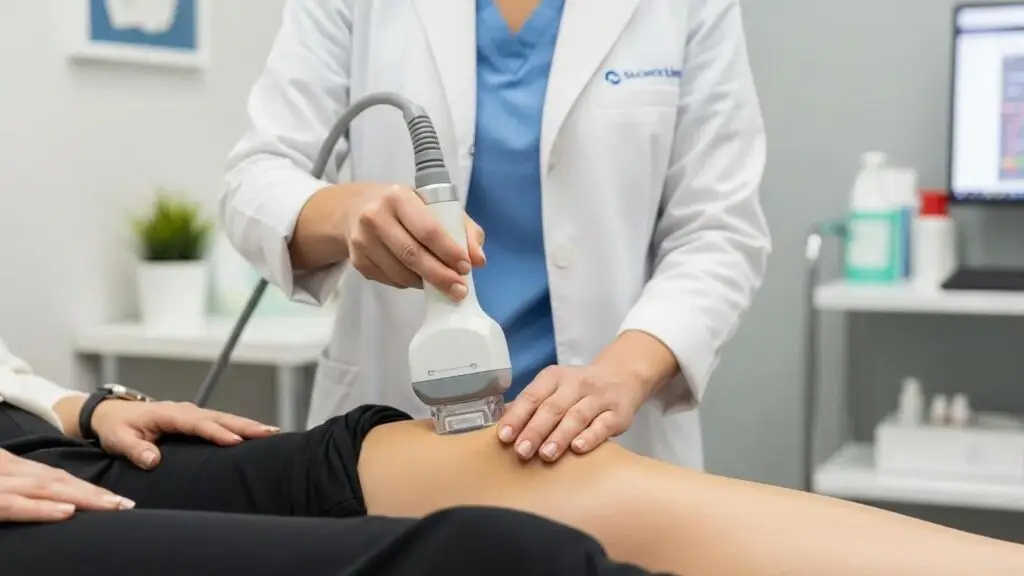
Focused shockwave therapy is an innovative treatment option designed to alleviate chronic tendon and joint pain. This non-invasive therapy utilizes acoustic waves to stimulate healing in affected areas, making it a promising solution for individuals suffering from persistent pain. In Salisbury, MA, patients can find targeted relief through this advanced therapy, which not only addresses pain but also promotes tissue repair and regeneration. This article will explore the mechanisms of focused shockwave therapy, its effectiveness for specific conditions, the typical treatment process, and patient experiences. Additionally, we will discuss how this therapy compares to other non-invasive treatments and the costs associated with it.
Treatment Mechanisms
Focused shockwave therapy operates by delivering acoustic waves to the affected area, which encourages circulation and promotes healing. The therapy works by breaking down dysfunctional scar tissue and stimulating collagen production, essential for tissue repair. This process enhances blood flow, which is crucial for delivering nutrients and oxygen to the injured tissues, thereby accelerating recovery. Understanding these mechanisms is vital for appreciating how focused shockwave therapy can effectively alleviate chronic pain and improve overall function.
This understanding is further supported by research into the mechanisms of how these acoustic waves interact with biological tissues.
Mechanisms of Extracorporeal Shockwave Therapy
ESWT works by the emission of acoustic waves (shockwaves) that carry energy and can propagate through tissues. Shockwaves can generate interstitial and extracellular responses,
Extracorporeal shock wave therapy mechanisms in musculoskeletal regenerative medicine, CL Simplicio, 2020
Effectiveness for Specific Conditions
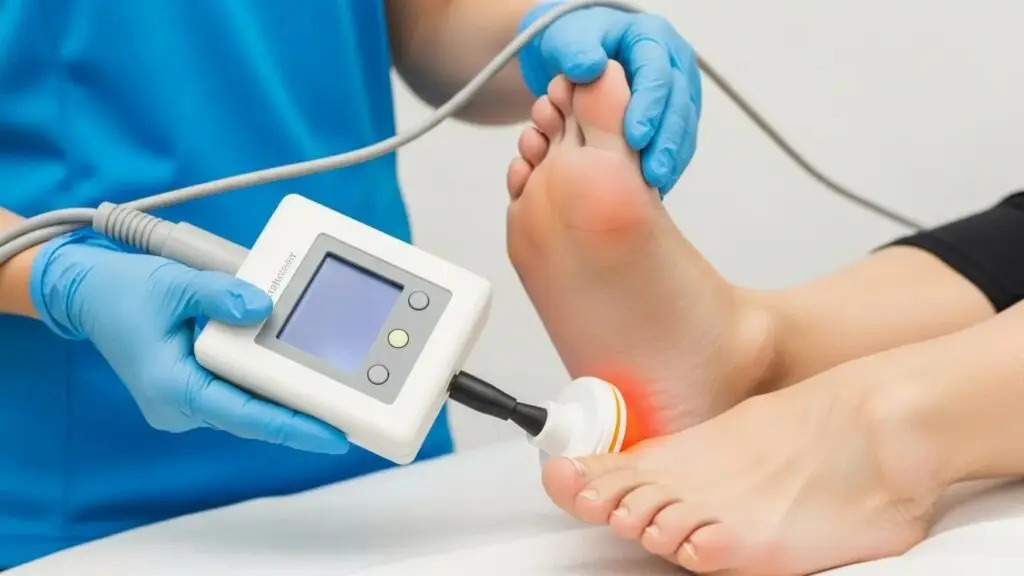
Focused shockwave therapy has shown effectiveness in treating various chronic conditions. It is particularly beneficial for:
- Plantar Fasciitis: This condition, characterized by heel pain, responds well to shockwave therapy, often resulting in significant pain reduction.
- Tennis Elbow: Patients suffering from lateral epicondylitis have reported improved symptoms and functionality after undergoing treatment.
- Rotator Cuff Irritation: The therapy can alleviate pain and enhance mobility in individuals with shoulder issues.
- Knee Problems: Shockwave therapy has been effective in treating conditions like patellar tendinopathy, providing relief and improving joint function.
These conditions highlight the versatility of focused shockwave therapy in addressing chronic pain issues.
Typical Treatment Process and Protocol
The treatment process for focused shockwave therapy typically begins with a thorough assessment of the patient’s condition. This evaluation helps determine the appropriate treatment plan tailored to individual needs. Each session usually lasts about 20-30 minutes, and the frequency of treatments can vary based on the severity of the condition. Many patients benefit from a series of sessions, often combined with other therapeutic modalities to enhance overall outcomes. Understanding the treatment protocol is essential for setting realistic expectations regarding recovery and pain relief.
Patient Experiences

Patient testimonials regarding focused shockwave therapy often reflect significant improvements in pain management and overall function. Many individuals report:
- Significant Reduction in Pain: Patients frequently experience a noticeable decrease in pain levels after just a few sessions.
- Improved Strength and Function: Enhanced mobility and strength are common outcomes, allowing patients to return to their daily activities.
- Enhanced Long-Term Results: Many patients find that the benefits of treatment extend beyond the immediate relief, contributing to sustained improvements in their quality of life.
These experiences underscore the potential of focused shockwave therapy as a viable option for those struggling with chronic pain.
What is Focused Shockwave Therapy and How Does It Work?
Focused shockwave therapy is a non-invasive treatment that utilizes high-energy acoustic waves to promote healing in damaged tissues. The therapy works by creating microtraumas in the targeted area, which stimulates the body’s natural healing processes. This includes increased blood flow, collagen production, and the breakdown of scar tissue. The result is a reduction in pain and an improvement in function for patients suffering from chronic tendon and joint conditions. Understanding how this therapy operates is crucial for patients considering it as a treatment option.
How does focused acoustic wave therapy stimulate tissue repair?
Focused acoustic wave therapy stimulates tissue repair through several mechanisms. Firstly, it enhances circulation to the affected area, ensuring that essential nutrients and oxygen reach the tissues. Secondly, the therapy breaks down dysfunctional scar tissue, which can impede healing and contribute to pain. Lastly, it stimulates collagen production, a vital component for tissue regeneration and repair. These combined effects lead to improved healing outcomes and pain relief for patients.
Which Chronic Tendon and Joint Conditions Can Focused Shockwave Therapy Treat?
Focused shockwave therapy is effective for a variety of chronic tendon and joint conditions, including:
- Plantar Fasciitis: A common cause of heel pain, often treated successfully with shockwave therapy.
- Tennis Elbow: This condition can benefit from the therapy, leading to reduced pain and improved function.
- Rotator Cuff Injuries: Patients with shoulder pain related to rotator cuff issues often experience relief through this treatment.
These conditions illustrate the broad applicability of focused shockwave therapy in managing chronic pain.
Is shockwave therapy effective for plantar fasciitis and tennis elbow?
Yes, shockwave therapy has been shown to be effective for both plantar fasciitis and tennis elbow. Research indicates that patients with plantar fasciitis often experience significant pain relief and improved mobility after undergoing shockwave therapy. Similarly, individuals suffering from tennis elbow report enhanced function and reduced pain levels following treatment. These findings highlight the therapy’s potential as a non-invasive solution for these common conditions.
What is the Treatment Process and Protocol for Focused Shockwave Therapy in Salisbury, MA?
In Salisbury, MA, the treatment process for focused shockwave therapy typically involves an initial consultation to assess the patient’s condition. Following this assessment, a personalized treatment plan is developed. Each session generally lasts between 20 to 30 minutes, with patients often requiring multiple sessions for optimal results. The expected outcomes include pain relief and improved function, making it a valuable option for those suffering from chronic pain.
How many sessions are typically needed for pain relief?
The number of sessions required for effective pain relief through focused shockwave therapy can vary based on the individual’s condition and response to treatment. Generally, patients may need between 3 to 6 sessions to achieve significant results. The frequency of these sessions is typically scheduled weekly or bi-weekly, allowing the body to respond and heal effectively between treatments.
What are the possible side effects and contraindications?
While focused shockwave therapy is generally safe, some patients may experience mild side effects, including:
- Discomfort during treatment: Some individuals may feel discomfort during the application of shockwaves.
- Temporary swelling or redness: These symptoms are usually mild and resolve quickly.
- Contraindications: Patients with certain conditions, such as infections or tumors in the treatment area, should avoid this therapy.
Understanding these potential side effects and contraindications is essential for patients considering focused shockwave therapy.
How Does Focused Shockwave Therapy Compare to Other Non-Invasive Tendon Pain Treatments?
Focused shockwave therapy offers several advantages over other non-invasive tendon pain treatments. Compared to radial shockwave therapy, focused shockwave therapy delivers more concentrated energy to specific areas, often resulting in faster and more effective pain relief. Additionally, it can be more effective than traditional physical therapy methods for certain conditions, providing quicker results and improved patient satisfaction. This comparison highlights the unique benefits of focused shockwave therapy in the realm of non-invasive treatments.
What Are the Costs and Insurance Coverage Options for Shockwave Therapy Near Salisbury, MA?
The cost of focused shockwave therapy can vary based on the provider and the specific treatment plan. Typically, individual sessions may range from $200 to $500, depending on the complexity of the condition being treated. Many insurance plans may cover a portion of the treatment, but it is essential for patients to check with their insurance provider regarding specific coverage options. Understanding the financial aspects of treatment is crucial for patients considering this therapy.
What Do Patient Testimonials and Recent Clinical Studies Reveal About Focused Shockwave Therapy Outcomes?
Recent clinical studies and patient testimonials indicate that focused shockwave therapy can lead to high success rates in pain management and functional improvement. Many patients report significant reductions in pain and enhanced mobility after completing their treatment plans. Clinical studies support these findings, demonstrating the therapy’s effectiveness across various chronic conditions. This evidence underscores the potential of focused shockwave therapy as a reliable option for individuals seeking relief from chronic tendon and joint pain.
Further research has shown the effectiveness of extracorporeal shockwave therapy for tendinopathies, especially in cases where conservative treatments have failed.
Extracorporeal Shockwave Therapy for Tendinopathies: A Review
Extracorporeal shockwave therapy (ESWT) has been in use for the treatment of tendinopathies since the early 1990s. The exact mechanism by which ESWT relieves tendon-associated pain is not known; however, there is an increasing body of literature that suggests that it can be an effective therapy for patients who have had repeated nonsurgical treatment failures. The highest strength of evidence is shown in randomised controlled trials, of which there are a small number. Reported results for tendinopathies of the shoulder, elbow and heel have shown consistent positive results in favour of ESWT over placebo ESWT in individuals who have failed conservative therapy. These studies provide strong evidence for ESWT as an effective therapy for the treatment of chronic treatment-resistant tendinopathies. There is still much debate over several issues surrounding ESWT that have not been adequately addressed by the literature: high- versus low-energy ESWT, shockwave dosage and number of sessions required for a therapeutic effect. Further research is needed to ascertain the most beneficial protocol for patient care.
Extracorporeal shockwave therapy: a review, 2002